Commercial Water Damage in Howe
A wet business floor creates decisions about people, stock and access as well as building materials. Commercial cleanup organizes those priorities around the affected premises so source correction and moisture recovery can proceed coherently.
(888) 527-9134Discuss the affected business space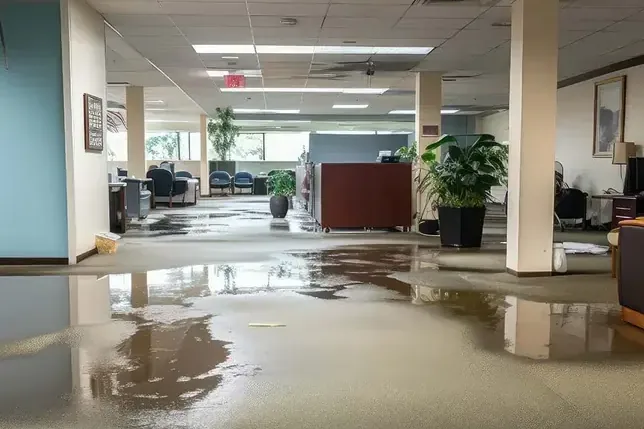
First steps for commercial water damage
- 1Establish a decision contact
A designated property contact can organize access, contractor coordination and contents decisions. The initial description should include the affected spaces and any shared areas connected to them.
- 2Restrict unsafe work areas
Staff and visitors should avoid wet electrical surroundings, loose floor coverings and unstable ceilings. The inspection determines the safe boundary before normal movement resumes through affected rooms.
- 3Separate dry stock movement
Unaffected inventory can be protected along clean routes. Wet goods and damaged finishes need a handling plan that avoids carrying residue or water through operational storage areas.
- 4Document the operational constraints
Notes about equipment access, occupied rooms and essential passageways help shape the cleanup arrangement. Those constraints should be addressed together with the source and measured material exposure.
What does commercial water damage cost in Howe, TX?
Commercial cleanup in Howe depends on the affected area, contents handling and access around business activity. Connected rooms, concealed assemblies and contamination can increase the work, while the written scope should separate source correction and later finish replacement.
- Contained wet work
- Simple inventory separation
- Accessible floor removal
- Connected building assemblies
- Coordinated access routes
- Additional contents handling
- Broad material removal
- Restricted operational access
- Extensive drying coordination
Planning ranges depend on water category, affected square footage, material class and how quickly drying starts. The water damage cost calculator compares scope assumptions; the property inspection sets the work required.
How commercial water damage proceeds
- 1
Assess premises and material exposure
Inspection connects the release with affected rooms, contents and building assemblies. Safe access and the boundary between cleanup work and unaffected operations are established at the outset.
- 2
Coordinate removal and source correction
Water extraction and necessary material removal are organized around the approved property access. Plumbing or other source work is coordinated so the building does not receive another release.
- 3
Dry with documented adjustments
Equipment placement follows the wet materials while respecting safe routes. Progress measurements explain adjustments and help identify concealed areas that need further access before reconstruction can proceed.
- 4
Hand off the remaining work
The record identifies completed cleanup, drying results and materials requiring replacement. The property contact can then coordinate finish repairs and business use around the assessed condition of each area.
Commercial water damage in Howe may interrupt access to stock, workstations or shared rooms before the full wet boundary is known. An organized assessment identifies which areas are affected and which can remain separated. Decisions about continued occupancy belong alongside the water source, electrical conditions and safe movement through the premises.
Connect cleanup access with business activity
The Howe EDC promotes business development and helps existing and expanding businesses find space. Comprehensive Plan survey participants also wanted an expanded downtown that retained its older character. Within any particular premises, cleanup must account for the actual layout, tenant use and materials present rather than assuming a standard commercial floor plan.
U.S. Highway 75, Farm Road 902 and State Highway 5 meet at the town. Delivery and equipment access from the surrounding roads still needs coordination at the property entrance. A useful first discussion identifies loading routes, dry stock areas and any passage that cannot be crossed because of water or unstable finishes.
- Identify a property contact who can coordinate access, source repair and decisions about affected contents.
- Separate clean stock movement from routes used to remove water and damaged material.
- Describe shared rooms and neighboring occupied spaces that may connect to the wet assembly.
Define the scope beyond the visible floor
Water can travel below partitions, into floor coverings and above ceiling finishes. Inspection should follow those connections while keeping dry operations outside the wet work boundary. A storage room with absorbent contents needs a different handling plan from an open area with accessible flooring, even when both received water from the same release.
Water extraction addresses standing liquid, but the overall scope also needs material evaluation and cleaning decisions. Contaminated entry can require removal of porous finishes and additional separation. The written plan should identify the basis for those decisions so management can understand the work area and the materials affected.
Use progress records to coordinate the next work
Drying equipment occupies space and can change how rooms are used. Its arrangement should preserve safe access while reaching the actual wet surfaces. Readings from framing, floor layers and wall bases show whether the plan is progressing, and the work boundary may need adjustment when concealed spread becomes visible during access.
Structural drying connects those measurements with equipment changes and completion decisions. The property contact should receive a clear account of removed materials, treated rooms and remaining source or finish repairs. This helps coordinate contractors and business activity around the condition of the premises, with occupancy decisions based on the assessed hazards and work rather than the disappearance of the visible pool.
Howe commercial water damage response
Commercial water damage cleanup serves Howe in ZIP 75459, with access, contents handling and drying planned around the actual business premises and the material exposure found inside.
The same service nearby: commercial water damage in Anna, Van Alstyne, Sherman.
Water damage restoration in Howe · every town coveredRelated water damage services in Howe
Commercial Water Damage questions
1Can unaffected parts of the business remain accessible?
That depends on safe separation, utilities and the work involved. The assessment should identify routes and rooms that can remain apart from affected materials and equipment.
2Who should coordinate the cleanup decisions?
A designated property contact helps organize entry, source repair and contents handling. Clear responsibility makes it easier to communicate scope changes when concealed damage is discovered.
3Does the estimate include damaged inventory?
The written scope should state how contents are handled and which tasks are included. Building cleanup and decisions about stock or equipment need separate, clearly described treatment.
4Why inspect neighboring rooms or tenant areas?
Water can travel below partitions or through shared assemblies. Connected areas need assessment when the moisture path reaches them, even if the first puddle appeared elsewhere.
5How can equipment placement affect operations?
Drying units and protective separation occupy floor area and change movement. Their placement should address both the wet surfaces and safe routes through portions of the premises still in use.
6What information supports the repair handoff?
Records of affected rooms, removed finishes, material readings and source correction help coordinate remaining work. They distinguish completed cleanup from construction or contents decisions that still need attention.
Organize recovery around the affected premises
The scope should connect extraction and drying with contents protection, occupied areas and the repair work still required afterward.