Water Extraction in Howe
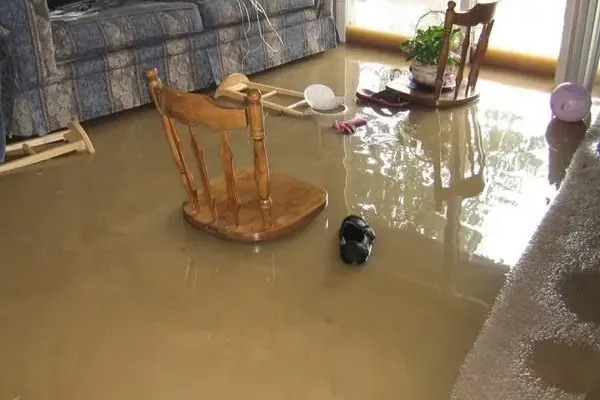
A puddle that crosses a doorway can reach carpet backing and wall edges before its full extent is obvious. Extraction removes accessible water so the remaining moisture can be located and addressed.
(888) 527-9134Arrange pooled water removal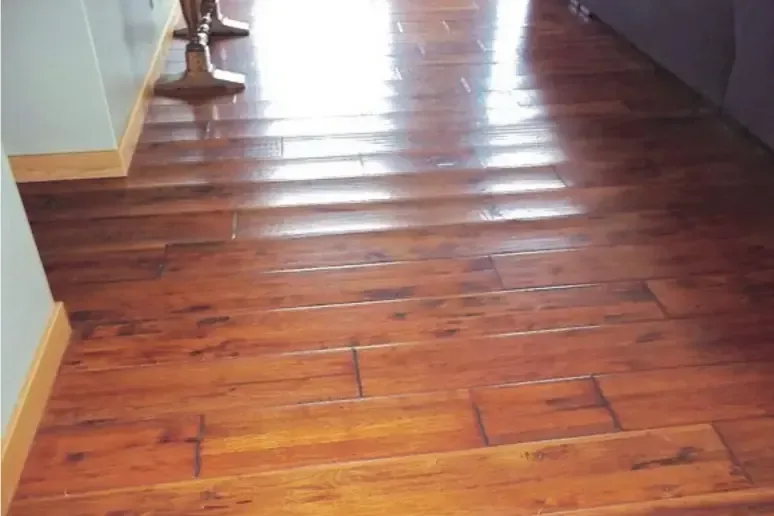
First steps for water extraction
- 1Avoid crossing the pool
People should remain outside water that reaches electrical equipment or conceals an uncertain floor surface. Safe access is established before any belongings are retrieved.
- 2Limit continued entry
A reachable shutoff can reduce a supply release. Exterior entry or a drain backup needs its own source assessment before normal use resumes.
- 3Move dry possessions carefully
Items outside the wet area can be relocated along a dry route. Heavy furniture standing in water should wait for a safe handling plan.
- 4Explain where water traveled
A description of connected rooms, floor changes and the first discovery helps focus the inspection on areas that may hold water beneath visible surfaces.
What does water extraction cost in Howe, TX?
In Howe, extraction ranges depend on the amount of accessible water, affected surfaces and handling requirements. Floor layers, contents and narrow access can add work even when the visible pool occupies a modest area.
- Open floor access
- Small wet boundary
- Simple removal setup
- Connected floor areas
- Carpet water removal
- Additional edge checks
- Restricted equipment access
- Concealed pooled water
- Difficult material handling
Planning ranges depend on water category, affected square footage, material class and how quickly drying starts. The water damage cost calculator compares scope assumptions; the property inspection sets the work required.
How water extraction proceeds
- 1
Inspect connected floor areas
The wet perimeter is mapped across thresholds and adjoining surfaces, with attention to the source, electrical conditions and materials that have absorbed the release.
- 2
Extract reachable water
Removal equipment is selected for the amount of accessible water and the surface involved. Tight corners and changes in flooring receive separate attention during extraction.
- 3
Assess retained moisture
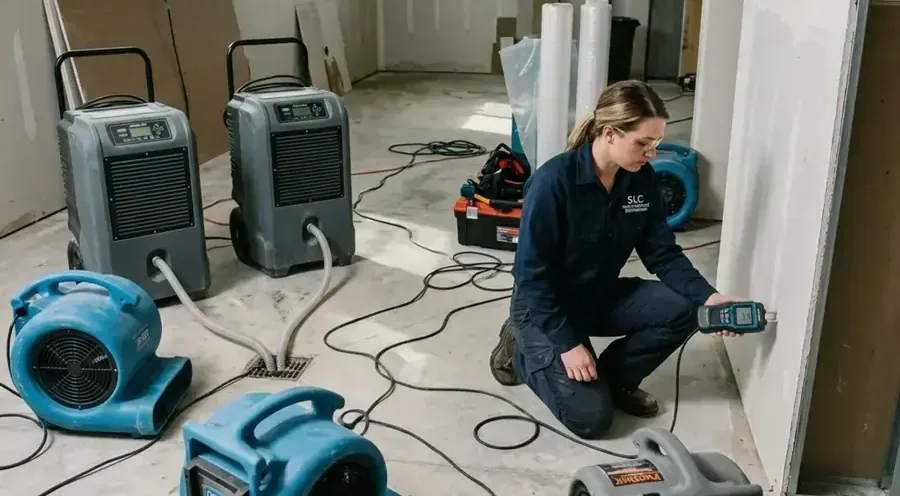
Measurements and selective inspection identify moisture beneath finishes or within wall bases. Damaged absorbent materials are evaluated before any continuing drying plan is established.
- 4
Set the next scope
The remaining material condition determines equipment needs and access. The owner receives a description of completed removal and any further cleanup or repair decisions.
Howe's junction of U.S. Highway 75, State Highway 5 and Farm Road 902 provides a useful location reference when arranging access. Inside the property, extraction follows the actual floor plan. A low doorway, closet threshold or cabinet base can collect water beyond the first visible puddle.
Trace the pool before moving equipment
The inspection begins with the source and the spaces connected to it. Supply water, appliance discharge and outside entry can require different handling. Water may look clear while carrying residues from the surfaces it crossed. Its appearance alone should not determine whether carpet, pad or other absorbent layers remain.
- Check the far side of thresholds where flooring changes hide a continuing wet area.
- Inspect beneath movable contents when safe access allows the floor surface to be reached.
- Identify outlets, floor cords and unstable finishes before equipment enters standing water.
Match removal to the surface
Hard surfaces and saturated carpet do not release water in the same way. Accessible pools can be removed while carpet backing or underlayment still holds moisture. Extraction passes should address the material involved rather than stopping when the room merely looks less wet. Edges and tight spaces deserve their own assessment.
A release beneath fixed cabinets may need selective access before trapped water can be reached. The scope should explain why an opening or material removal is proposed. When drain waste caused the pool, sewage cleanup addresses the additional cleaning and separation decisions that ordinary floor drying does not cover.
Use the cleared floor to assess what remains
After removal, readings establish the moisture pattern in wall bases, flooring and adjoining rooms. This stage can reveal a path under a partition or through a layered floor. A surface that feels dry is not a complete picture of the assembly beneath it, especially where finishes slow evaporation.
The next scope may include structural drying, further access or removal of unsalvageable material. Documentation should show the original pool, the areas extracted and the remaining wet boundary. That record helps the property owner understand why equipment may still be needed after visible standing water has disappeared.
Howe water extraction response
Water extraction covers Howe properties in ZIP 75459. The access discussion includes entry conditions, affected floor surfaces and whether the source is still releasing water.
The same service nearby: water extraction in Anna, Van Alstyne, Sherman.
Water damage restoration in Howe · every town coveredRelated water damage services in Howe
Water Extraction questions
1Is a household vacuum suitable for standing water?
A standard household vacuum should not enter this situation. Electrical safety, water condition and the amount of liquid require equipment and access suited to water removal.
2Can extraction reach water beneath a cabinet?
Only accessible water can be removed directly. Cabinet bases or enclosed floor layers may need selective opening so trapped moisture can be reached and properly evaluated.
3Will carpet always need replacement?
Its condition, backing, exposure and water source determine the decision. Extraction may preserve some materials, while contamination or physical damage can make removal the appropriate choice.
4Why inspect rooms without visible puddles?
Water can move beneath a threshold or wall while the exposed floor stays relatively dry. Adjoining room checks help locate the true extent of the release.
5Does removal also repair the source?
Extraction addresses water already inside the building. Plumbing or other source correction needs coordination so a repaired room does not receive another release during the cleanup.
6What comes after the standing water is gone?
The remaining wet materials are measured and assessed. Drying equipment, cleaning or access beneath finishes may still be necessary before repair work can close the affected area.
Clear the water, then assess the layers
A useful first description includes the rooms involved, the water source and any flooring that feels soft or saturated.