Hardwood Floor Water Damage in Howe
Raised board edges can remain after the room's puddle is gone. Wood floor recovery depends on the moisture beneath the finish, the condition of the boards and the way the flooring is attached.
(888) 527-9134Discuss the changed wood flooring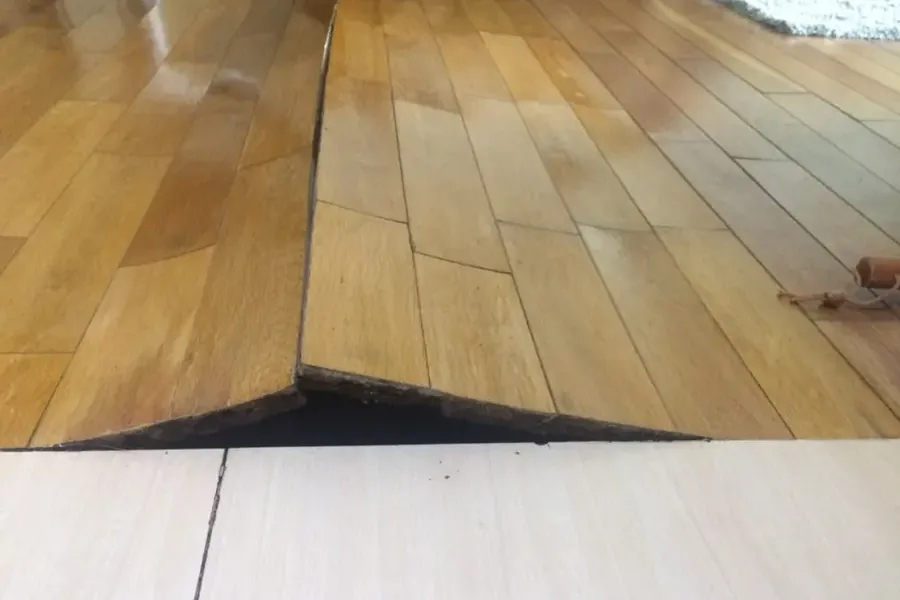
First steps for hardwood floor water damage
- 1Reduce traffic over changed boards
Lifted flooring can create a trip or movement hazard. Keep the affected route clear and avoid loading damaged sections with furniture while their condition is assessed.
- 2Record shape and moisture clues
Photographs of raised edges and notes about persistent dampness help describe the loss. Include doorway transitions where the pattern appears to continue into adjoining spaces.
- 3Address the continuing source
A supply leak or appliance fault should be corrected before the floor receives more water. Source work and material recovery need coordination when access beneath boards is involved.
- 4Pause cosmetic floor work
Sanding or covering a wet floor can obscure its condition. Refinishing decisions should wait for an assessment of retained moisture, attachment and the layers beneath the visible surface.
What does hardwood floor water damage cost in Howe, TX?
Hardwood recovery costs in Howe depend on the floor assembly, attachment and retained moisture. Targeted drying, selective board removal and access to underlying layers can change the scope before any sanding or replacement is considered.
- Localized board exposure
- Accessible moisture pattern
- Limited floor protection
- Underlying layer checks
- Specialized equipment placement
- Repeated board measurements
- Failed attachment assessment
- Selective board removal
- Extended substrate access
Planning ranges depend on water category, affected square footage, material class and how quickly drying starts. The water damage cost calculator compares scope assumptions; the property inspection sets the work required.
How hardwood floor water damage proceeds
- 1
Measure across the floor assembly
Inspection records affected boards, nearby reference areas and accessible underlying layers. The moisture pattern is considered alongside physical changes and the original water source.
- 2
Evaluate retention and access
The board condition, attachment and water exposure inform whether targeted drying is appropriate. Selective openings may be needed to reach an underlying layer or remove damaged material.
- 3
Track drying response carefully
Equipment is arranged for the surfaces that can be reached. Follow up readings show whether the floor is responding or whether concealed moisture requires a changed approach.
- 4
Clarify the finishing decision
The material record separates drying work from repair or replacement needs. Sanding and finishing are considered after the remaining boards and substrate have been assessed.
A Howe wood floor that has changed shape needs more than a decision about sanding. Moisture can enter through joints and remain beneath the boards, affecting both the visible surface and its attachment. The first assessment should connect the source of the water with the floor layers and the extent of the change.
Read the pattern across the boards
Raised edges, lifted sections and gaps can help show where a floor responded to water. They do not replace measurements of the boards and the assembly below. Inspection should compare affected areas with suitable dry references and follow the pattern through doorways where a continuous floor may carry moisture into another room.
- Record areas with changed board shape before furnishings are moved or repairs alter the pattern.
- Keep foot traffic away from lifted sections that create an unstable walking surface.
- Identify the release source and whether moisture continues to appear at floor joints.
Choose access around the installed floor
U.S. Highway 75, State Highway 5 and Farm Road 902 meet in Howe. Individual properties have their own interior layouts and floor systems. The restoration decision follows the actual installed boards, underlayment and substrate. Describing a doorway transition or fixed cabinet is useful because those features can affect access to trapped moisture.
A recoverable floor may benefit from targeted drying when the source and water condition allow it. Damaged attachment, contaminated layers or inaccessible moisture can instead require selective removal. Slab leak assessment is relevant when persistent moisture comes from an underfloor plumbing problem rather than an isolated surface spill.
Keep refinishing separate from moisture recovery
Sanding changes the exposed board surface. It cannot remove water from a concealed layer or correct a loose attachment underneath. The floor should be assessed through its drying response before cosmetic work is chosen. Changes in readings and material condition help determine whether continued drying is useful or another approach is needed.
Structural drying may also address wet wall bases and neighboring assemblies reached by the same release. A final record should describe the treated floor areas and any boards or substrate needing replacement. That detail supports a finishing decision based on the condition of the whole assembly rather than the surface appearance alone.
Howe hardwood floor water damage response
Hardwood water damage assessment serves Howe in ZIP 75459. The scope follows the installed floor system, changed board condition and moisture extending into connected rooms or layers.
The same service nearby: hardwood floor water damage in Anna, Van Alstyne, Sherman.
Water damage restoration in Howe · every town coveredRelated water damage services in Howe
Hardwood Floor Water Damage questions
1Will raised board edges flatten after drying?
Some shape changes can improve, but recovery depends on the boards, exposure and attachment. The assessment should track material response without promising that every affected section can remain.
2Can sanding begin while the floor is still wet?
Sanding addresses the surface rather than retained moisture. The floor assembly should be assessed and its drying response understood before cosmetic work changes the shape of the boards.
3Why check underneath a finished wood floor?
Water may remain in underlayment or the substrate after the top looks dry. Those layers can limit recovery and need assessment before a replacement or refinishing decision.
4Does one wet doorway mean the whole floor is affected?
The visible edge is a starting point. Measurements and inspection follow the actual moisture pattern through the installed floor rather than assuming either a tiny or complete loss.
5Can drying mats be appropriate for wood?
Targeted systems may help when the floor condition and water exposure support retention. Equipment selection should follow inspection of the boards, attachment and accessible layers below.
6What should the owner receive before refinishing?
A useful record identifies the affected area, material readings and remaining repair needs. It explains the floor condition so finishing work can be coordinated with the completed moisture treatment.
Assess the floor beneath its finish
Recovery decisions should connect the boards, their attachment and the underlying moisture before cosmetic repair or replacement is selected.