Frozen Pipe Water Damage in Howe
A frozen section can hide a break until water begins moving again. Cleanup after a thaw follows the released water through the building, with source control and safe access established before wet finishes are opened.
(888) 527-9134Discuss water released after freezing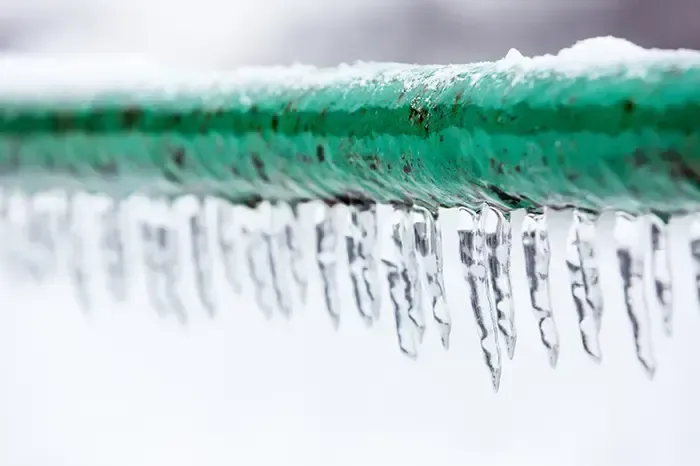
First steps for frozen pipe water damage
- 1Arrange safe source control
The Texas Department of Insurance advises water shutoff when pipes freeze. The valve must be approached safely, without crossing standing water near electrical equipment or unstable building materials.
- 2Report the thaw sequence
Notes about reduced flow, returning water and the first indoor drip help explain the release. Include rooms that were closed or unoccupied when the damage may have started.
- 3Avoid unsafe pipe heating
Open flames must not be used on frozen plumbing. Appropriate plumbing assessment should address the pipe condition and repair while occupants remain clear of wet electrical surroundings and damaged ceilings.
- 4Keep hidden wet areas accessible
Closets, wall openings and rooms beneath the leak may need inspection. Dry belongings can be relocated safely so source repair and material checks are not blocked by storage or furniture.
What does frozen pipe water damage cost in Howe, TX?
Frozen pipe cleanup in Howe varies with the thaw release and concealed spread. Wet insulation, overhead damage and several connected assemblies can expand the material recovery beyond the plumbing repair itself.
- Small release footprint
- Accessible pipe area
- Limited finish damage
- Insulation access needs
- Overhead material checks
- Hidden cavity drying
- Connected floor exposure
- Broader controlled removal
- Extended material measurements
Planning ranges depend on water category, affected square footage, material class and how quickly drying starts. The water damage cost calculator compares scope assumptions; the property inspection sets the work required.
How frozen pipe water damage proceeds
- 1
Trace damage after the release
Inspection follows the pipe location into adjoining and lower assemblies. The drip, repair opening and material readings together establish the area requiring cleanup and drying.
- 2
Remove water and assess finishes
Reachable pools are extracted and unstable or unsalvageable material is addressed. Necessary access exposes retained moisture in insulation, wall cavities or floor layers beyond the original plumbing opening.
- 3
Dry the remaining affected assembly
Equipment placement follows the materials that can be reached and their response. Repeated checks identify pockets requiring additional access rather than assuming the whole room dries at the same rate.
- 4
Separate plumbing and finish completion
The final account identifies source correction, dried materials and repairs still needed. That distinction supports an orderly handoff before wall patches, ceiling finishes or replacement flooring conceal the affected assembly.
The Texas Department of Insurance advises shutting off the water at the shutoff valve when pipes freeze. For a Howe property with a thaw related release, that source control belongs at the beginning of the damage response. Water already inside the building then needs its own inspection, including rooms below or beside the pipe location.
Expect the visible damage to follow the thaw
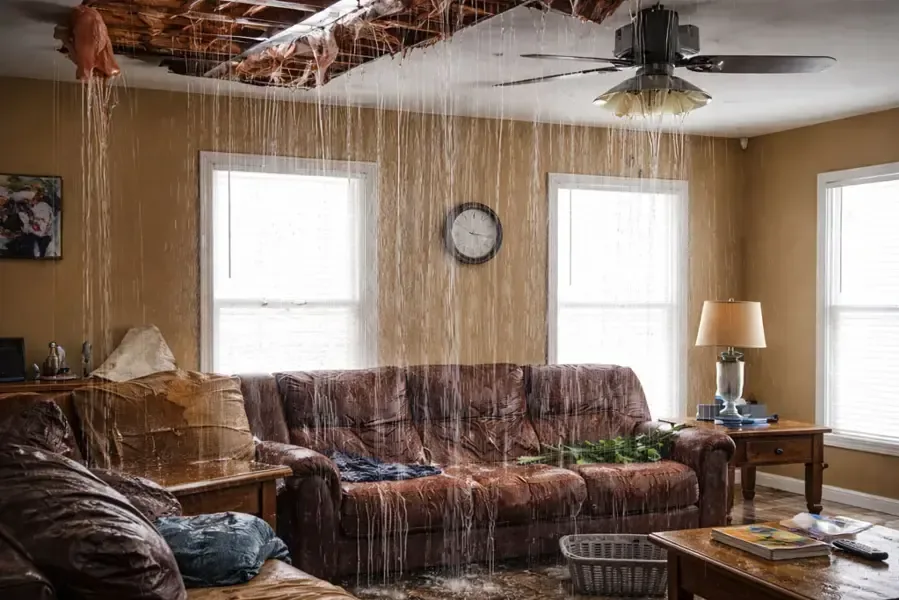
A section that cannot pass water may conceal a defect until flow returns. The resulting release can enter a wall or ceiling before appearing in the occupied room. Occupants should report changed fixture flow, the first visible leak and any later dripping, while keeping away from electrical hazards and unstable overhead materials.
Open flames should never be used to heat a pipe. Safe plumbing assessment establishes the condition of the affected section and the appropriate source repair. The restoration work can then trace the released water without treating a repaired pipe as proof that insulation, framing and neighboring finishes have already dried.
Follow the release through connected spaces
State Highway 5, Farm Road 902 and U.S. Highway 75 form Howe's road junction. When arranging entry, a property description should also identify unoccupied rooms, closed closets and any ceiling space involved in the leak. Those indoor details help establish where damage may have developed before anyone noticed water in the main living area.
- Inspect beneath the pipe location where gravity can carry water into a lower assembly.
- Check wall bases and flooring near the first drip for a wider absorbed moisture pattern.
- Coordinate any plumbing opening with assessment of insulation and framing beyond that repair access.
Connect prevention advice with the current recovery
The Texas Department of Insurance advises leaving heat on when a house is left before a freeze. After a loss, the immediate building work focuses on the water already released. Burst pipe cleanup covers the pressurized spread and source repair coordination when a damaged pipe has sent water through the interior.
Accessible pools need extraction, while enclosed wet materials may need selective access. Structural drying tracks how those materials respond once the source has stopped. A completion record should distinguish corrected plumbing, removed finishes and remaining repair needs so wall or ceiling reconstruction does not conceal an unassessed damp layer.
Howe frozen pipe water damage response
Frozen pipe damage cleanup covers Howe in ZIP 75459. The assessment follows the actual thaw release, plumbing access and moisture found in connected ceilings, walls and floors.
The same service nearby: frozen pipe water damage in Anna, Van Alstyne, Sherman.
Water damage restoration in Howe · every town coveredRelated water damage services in Howe
Frozen Pipe Water Damage questions
1Can a frozen pipe leak only after temperatures change?
A frozen section may block flow until thawing permits water to escape through damage. The timing of the visible leak can therefore follow the original freezing condition.
2What does the state insurance agency advise first?
The Texas Department of Insurance advises shutting off water at the shutoff valve when pipes freeze. Safe access to that valve is essential when indoor water is already present.
3Should an empty house have its heat left on?
The Texas Department of Insurance advises leaving heat on when a house is left before a freeze. Property specific plumbing protection can be discussed with the appropriate service professional.
4Can a flame help open a frozen pipe?
Open flames should never be used for this purpose. A safe plumbing assessment addresses the frozen section while restoration work deals with any water already released into the building.
5Why check insulation after the pipe is repaired?
Insulation can retain water against framing and block drying access. Its condition needs assessment before a repair opening is closed or the ceiling below receives new finishes.
6Does cleanup include all later reconstruction?
The estimate should identify what is included. Source repair, extraction, drying and replacement finishes are distinct tasks, and the written scope should make the remaining work clear.
Assess the materials after the pipe repair
The cleanup plan should follow released water into cavities and lower rooms before any damaged finish is patched or replaced.