Slab Leak Water Damage in Howe
A floor that stays damp after wiping needs more than another towel. Suspected slab leakage calls for plumbing investigation and a separate look at the flooring layers that have absorbed the continuing water.
(888) 527-9134Discuss persistent floor moisture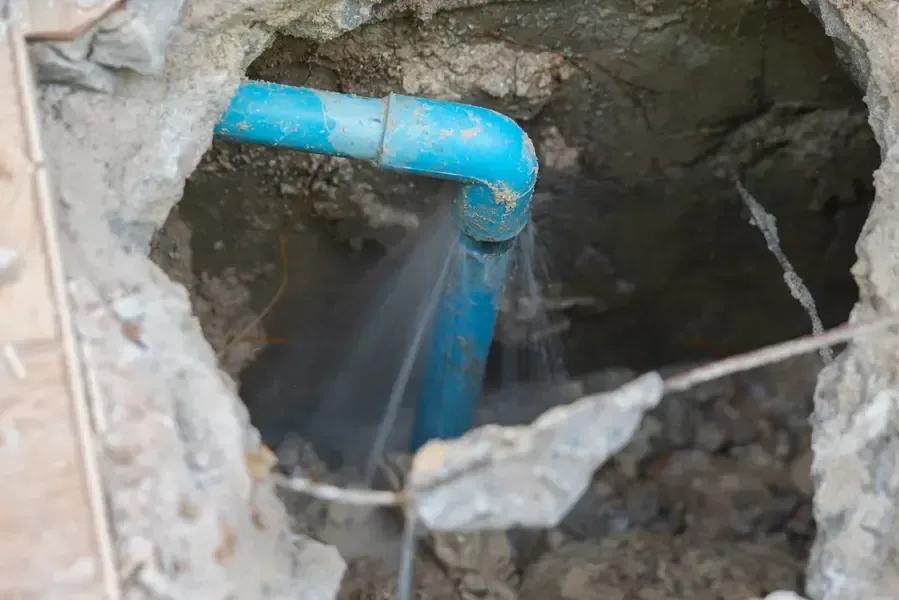
First steps for slab leak water damage
- 1Identify recurring wet spots
Note which floor areas become damp again after wiping and whether nearby wall bases or cabinet edges have changed. Photographs help record the pattern.
- 2Arrange source investigation
A suspected underfloor leak needs plumbing diagnosis. Repeatedly drying the visible surface cannot resolve a continuing release beneath the finished floor or concrete opening.
- 3Limit movement across damage
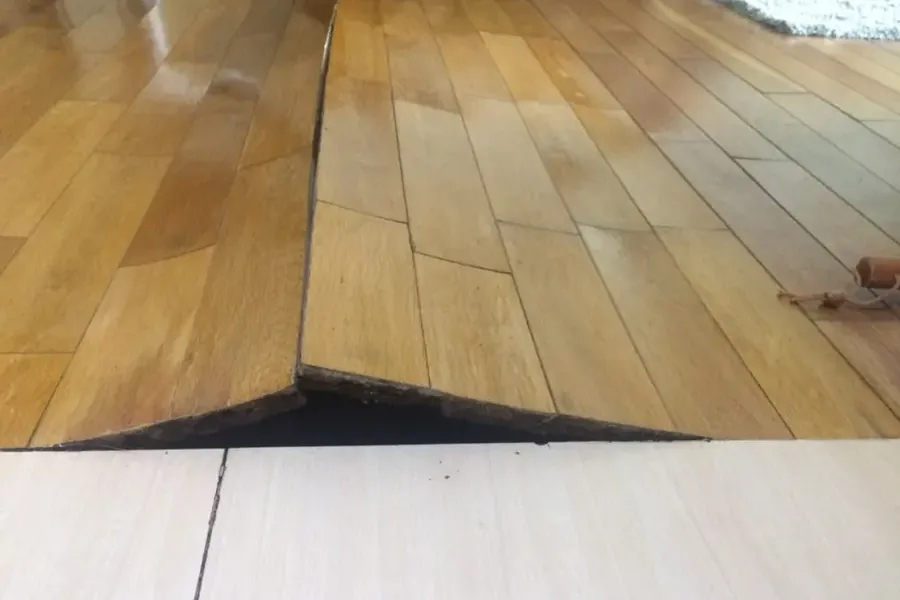
Loose boards, raised transitions and opened concrete need a clear walking boundary. Contents should be relocated through unaffected areas when a safe route is available.
- 4Discuss planned access together
The plumber's repair location and the restoration moisture map should inform access decisions. Additional wet layers may need attention beyond the opening used to repair the pipe.
What does slab leak water damage cost in Howe, TX?
Slab leak cleanup in Howe is shaped by the affected floor layers and access after plumbing work. Concealed moisture, damaged attachment and wet wall bases can expand the drying scope beyond the repair opening.
- Limited finish access
- Small moisture footprint
- Nearby edge checks
- Underlayment moisture assessment
- Selective covering removal
- Adjoining wall bases
- Broad substrate exposure
- Multiple flooring transitions
- Complex material recovery
Planning ranges depend on water category, affected square footage, material class and how quickly drying starts. The water damage cost calculator compares scope assumptions; the property inspection sets the work required.
How slab leak water damage proceeds
- 1
Compare the floor response
Inspection records the damp area and nearby unaffected references, then identifies the floor covering, underlying layers and wall edges involved in the release.
- 2
Expose the necessary layers
Selective access follows material condition and the repair needs. The scope explains which finishes can remain and which prevent assessment of trapped moisture.
- 3
Control retained moisture
Extraction and drying are directed at accessible wet materials. Changes in readings help determine whether the current opening and equipment arrangement are reaching the affected assembly.
- 4
Record readiness for finishes
The drying record identifies the treated layers and any unresolved preparation needs. Flooring replacement follows an assessment of the substrate rather than appearance alone.
Persistent moisture deserves a measured investigation before flooring is replaced. At a Howe property, the dampest visible spot can be where water escapes a floor system rather than the precise location of a pipe defect. Plumbing diagnosis identifies the source, while restoration assessment establishes which surrounding layers and wall edges have become wet.
Build the scope around the exposed assembly
Concrete beneath a finish does not make the finish immune to damage. Adhesive, underlayment and nearby wallboard may respond differently to prolonged moisture. An inspection should identify those layers and their condition before choosing a drying method. Loose flooring or altered joints can change whether a material is practical to retain.
- Mark changes in dampness near doorways and transitions between different floor finishes.
- Check cabinet bases and wall edges adjacent to the suspected release area.
- Coordinate the plumbing opening with access needed to inspect surrounding wet materials.
Keep the repair opening from becoming the whole scope
U.S. Highway 75, State Highway 5 and Farm Road 902 meet at the town. When describing a property in that setting, room access and floor construction are more useful cleanup details than the road connection alone. The assessment needs to establish where moisture traveled beneath the particular finish installed in that building.
After a pipe defect is corrected, trapped water can remain outside the repair opening. Water extraction addresses reachable pools, but moisture beneath an intact covering may require additional exposure. Any removal should have a clear purpose: reaching retained water, taking out damaged material or allowing an affected layer to dry.
Let the floor condition direct replacement timing
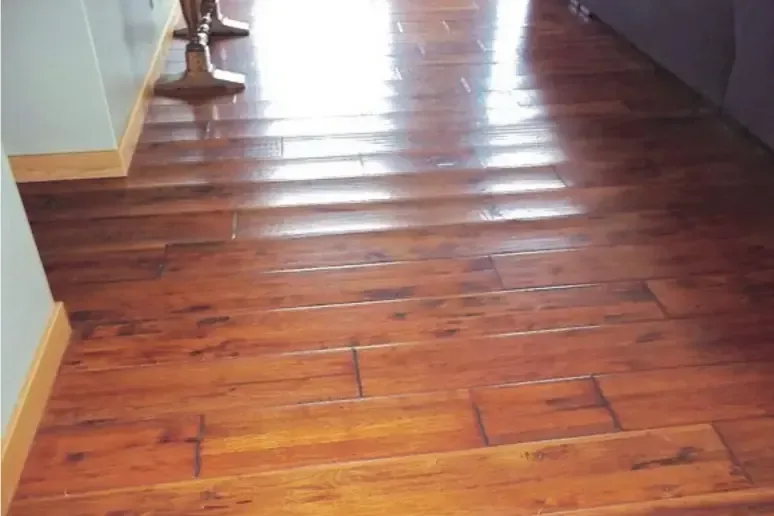
Drying progress should be recorded in the affected floor system and compared with suitable reference areas. The surface alone cannot describe every underlying layer. Hardwood floor assessment is useful when wood boards have changed shape, while other finishes need decisions based on their own condition and attachment.
Before new flooring is installed, the owner should receive a clear account of completed moisture work and any remaining substrate preparation. Keeping plumbing correction, drying and finish replacement distinct helps avoid an attractive new surface being installed over an unresolved wet layer.
Howe slab leak water damage response
Slab leak damage assessment covers Howe properties in ZIP 75459, with access and drying decisions tied to the actual flooring and wet materials found inside.
The same service nearby: slab leak water damage in Anna, Van Alstyne, Sherman.
Water damage restoration in Howe · every town coveredRelated water damage services in Howe
Slab Leak Water Damage questions
1Does a damp floor identify the exact pipe break?
Not necessarily. Water can move within or beneath the floor system before appearing. Plumbing investigation locates the defect while material assessment defines the broader wet area.
2Can flooring stay in place during drying?
That depends on its attachment, condition and the layers beneath it. A covering that blocks access to retained water may need selective removal for effective assessment.
3Will the concrete opening dry neighboring finishes?
An opening provides access at one location. Moisture can extend beyond it into underlayment or wall bases, so neighboring materials need their own inspection and readings.
4Is floor replacement part of leak repair?
Pipe correction, moisture work and replacement flooring are separate tasks. A written scope should identify which work is included and which contractor handles the remaining repairs.
5Why check a wall when the leak is below?
Water at the floor can enter wallboard edges, trim and cabinet bases. Those materials can remain wet even after the floor surface no longer shows a puddle.
6When can a new floor be installed?
Installation should follow an assessment of the affected substrate and retained moisture. The final drying record helps explain the floor condition before preparation and replacement begin.
Assess beneath the finished surface
A useful cleanup scope connects the repair opening with surrounding flooring, wall edges and materials that still retain moisture.