Storm Flood Cleanup in Howe
Mud at a doorway can mark the beginning of a much wider indoor cleanup. Outside water requires attention to entry conditions, contact with belongings and the porous materials it reached before extraction begins.
(888) 527-9134Discuss outside water entry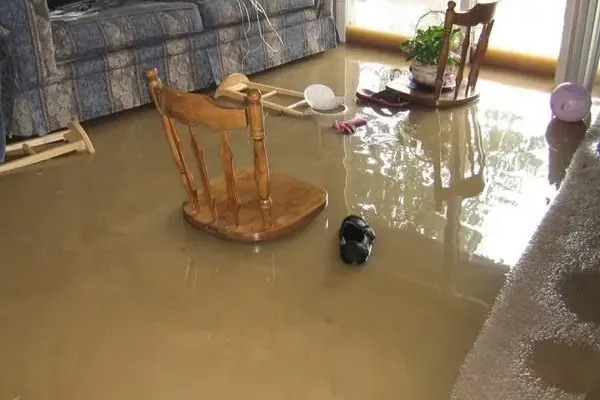
First steps for storm flood cleanup
- 1Stay outside uncertain flood water
Electrical equipment, debris and loose floor surfaces can create hazards beneath the water. Entry should wait until a safe route and working boundary are established.
- 2Separate dry possessions
Items that remained outside the wet area should stay apart from affected contents. Moving contaminated belongings through clean rooms can spread residue along the route.
- 3Describe entry and spread
Notes about the doorway or opening, the rooms reached and visible mud help organize the inspection. Photographs are useful only when taken from safe positions.
- 4Pause fans across dirty surfaces
Air movement should follow assessment and cleanup preparation. Equipment placed too early can move residue before affected materials and contact surfaces have been properly addressed.
What does storm flood cleanup cost in Howe, TX?
Storm flood cleanup in Howe depends on outside water contact, material removal and cleaning access. Broad residue spread or concealed wet layers can increase the work beyond the visible standing water footprint.
- Contained contact area
- Accessible floor cleaning
- Limited damaged finishes
- Connected contaminated surfaces
- Additional contents handling
- Cavity cleaning access
- Broad porous removal
- Complex debris handling
- Extended structural drying
Planning ranges depend on water category, affected square footage, material class and how quickly drying starts. The water damage cost calculator compares scope assumptions; the property inspection sets the work required.
How storm flood cleanup proceeds
- 1
Map the outside water contact
Inspection traces entry across rooms and identifies affected contents, electrical concerns and porous finishes. The working boundary separates wet areas from clean storage and access.
- 2
Remove pools and damaged layers
Extraction handles reachable water while the removal plan addresses materials that cannot be effectively retained. Protection controls the movement of debris through the building.
- 3
Clean accessible contact surfaces
Residue is removed from the surfaces that remain, with attention to corners and exposed cavities. Cleaning access is checked before the drying arrangement is finalized.
- 4
Measure the remaining assembly
Framing and floor systems receive a drying plan supported by material readings. The completion record lists remaining repair work separately from cleanup and moisture treatment.
Outside water entering a Howe property changes the decisions about carpet, wall bases and stored contents. The first inspection needs to establish where entry occurred and which rooms were contacted. Mud can show part of the route, but clear looking water farther inside may still have passed across the same affected surfaces.
Establish safe entry and a clean boundary
Flooded rooms may contain electrical hazards, loose flooring and debris that cannot be judged from the doorway. Occupants should remain outside the wet area while access is assessed. A clear separation between affected and unaffected rooms helps keep footwear, contents and equipment from carrying residue through the rest of the building.
Howe sits where U.S. Highway 75, State Highway 5 and Farm Road 902 meet. Those road names help describe a property's location, while the cleanup scope follows its specific doorway, wall opening or other entry point. The indoor water path and material condition determine which rooms require extraction, removal and cleaning.
- Identify the first opening where outside water entered and any later route into adjoining rooms.
- Document affected possessions before disposal when photographs can be taken without entering unsafe water.
- Keep dry items outside the cleanup route so their storage area remains separated.
Evaluate what absorbed the flood water
Porous finishes can retain contaminants as well as moisture. The assessment should explain which materials need removal and which surfaces can be reached for cleaning. Pulling water from carpet does not settle whether its backing or pad can remain. Wallboard edges, cabinets and floor transitions also need attention where flood water contacted them.
Water extraction is part of this sequence, but removal equipment does not replace cleaning or material evaluation. The scope should identify residue handling, protection for unaffected areas and access beneath finishes. Closed cavities may require opening when water has entered and the materials inside cannot otherwise be inspected or cleaned.
Dry a prepared assembly before rebuilding
Once affected material has been addressed and accessible surfaces cleaned, the remaining structure can be assessed for drying. Air movement should follow that preparation instead of blowing across dirty rooms at the beginning of the loss. Moisture readings then show how framing, floor layers and wall junctions respond to the equipment arrangement.
Structural drying continues until the material assessment supports the next repair stage. The owner should receive a record that distinguishes cleaning, removed finishes and moisture work from replacement construction. That separation makes it easier to understand what is ready for rebuilding and what still needs attention after the visible flood water has gone.
Howe storm flood cleanup response
Storm flood cleanup covers Howe in ZIP 75459. Assessment follows the property's observed water entry, contacted materials and safe interior access rather than assuming a neighborhood flooding pattern.
The same service nearby: storm flood cleanup in Anna, Van Alstyne, Sherman.
Water damage restoration in Howe · every town coveredRelated water damage services in Howe
Storm Flood Cleanup questions
1Can outside water be treated like a supply leak?
Outside water can carry dirt and other contamination into the building. Its contact with finishes and belongings changes cleaning and material decisions compared with a newly discovered supply release.
2Is clear flood water safe to walk through?
Clear looking water can still conceal hazards. Electrical hazards, debris and contamination may be present even where the water looks clear, so access requires assessment first.
3Should furniture be moved into an unaffected room?
Dry possessions can be protected separately. Items contacted by flood water need a handling plan so residue is not transferred into rooms that remained unaffected.
4Can carpet simply be extracted and left down?
Extraction removes accessible water but does not resolve contamination within backing or pad. The source, exposure and material condition determine whether those layers need removal.
5Why delay drying fans until cleaning is addressed?
Air movement across dirty surfaces can spread residue. Cleanup planning establishes the affected boundary, material removal and cleaning access before the remaining structure is dried.
6What record helps explain the completed cleanup?
A useful record shows the entry route, contacted rooms, removed materials and drying measurements. It also distinguishes cleanup work from the replacement finishes still needed afterward.
Plan cleanup around every contacted surface
A clear assessment connects extraction with cleaning, material removal and the drying work needed before damaged rooms are rebuilt.