Sewage Backup Cleanup in Howe
A backed up drain changes how a room should be entered and cleaned. Sewage cleanup starts with restricted contact, identifies all affected surfaces and coordinates waste removal with assessment of the underlying drainage problem.
(888) 527-9134Discuss drain waste indoors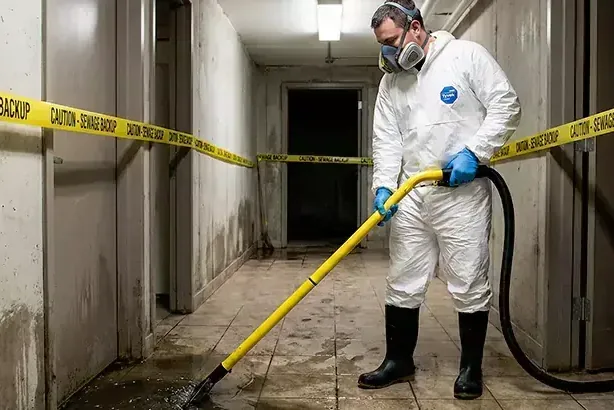
First steps for sewage backup cleanup
- 1Suspend contributing fixture use
Toilets, sinks or other fixtures showing backup symptoms should remain unused while the drainage source is assessed. Additional discharge may enlarge the indoor exposure and affected boundary.
- 2Keep occupants outside the area
People and pets should stay away from contaminated flooring and belongings. A separate dry route preserves access to unaffected rooms without crossing the sewage contact zone.
- 3Avoid spreading residue during moving
Wet rugs and furnishings need a controlled handling plan. Carrying them through clean rooms can expand the cleanup beyond the space reached by the original backup.
- 4Describe the full fixture pattern
Information about every affected drain helps the source investigation. The cleanup discussion also needs the rooms contacted, floor finishes present and any concealed areas reached by waste.
What does sewage backup cleanup cost in Howe, TX?
Sewage cleanup in Howe depends on contamination spread, porous material removal and the route needed for safe handling. Hidden contact areas and several affected rooms can increase cleaning access and drying requirements after drainage correction.
- Limited waste contact
- Accessible surface cleaning
- Simple protected route
- Porous finish removal
- Hidden contact access
- Connected room cleaning
- Extensive contaminated layers
- Complex disposal movement
- Large drying scope
Planning ranges depend on water category, affected square footage, material class and how quickly drying starts. The water damage cost calculator compares scope assumptions; the property inspection sets the work required.
How sewage backup cleanup proceeds
- 1
Establish exposure and access boundaries
Inspection maps the contacted rooms and materials, then identifies a protected removal route. Drainage correction is coordinated with the work needed inside the affected property.
- 2
Extract and remove affected materials
Waste and accessible liquid are removed with appropriate separation. Porous finishes that cannot be effectively retained are handled through the planned route without contaminating clean storage.
- 3
Clean the remaining contact surfaces
Accessible surfaces receive cleaning after debris and damaged layers are addressed. Edges and exposed cavities are checked so hidden contact areas are not overlooked before drying.
- 4
Dry and document the assembly
Moisture readings support treatment of the remaining building materials. The final scope identifies completed cleanup and drying separately from drainage repairs and replacement construction still required.
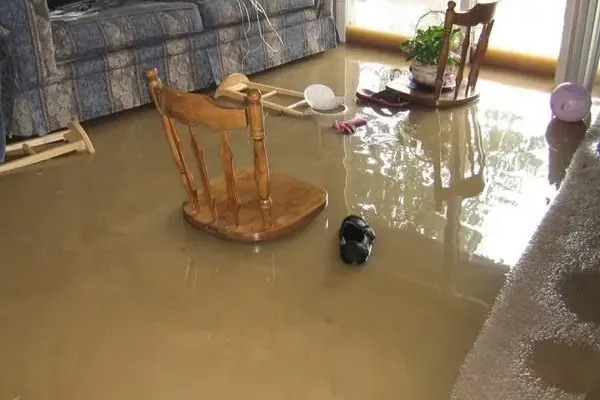
Sewage entering a Howe room needs a broader plan than puddle removal. The affected boundary includes surfaces, belongings and concealed layers touched by the waste. People should stay outside that boundary while the backup source and safe cleanup access are assessed. Continued fixture use may increase the indoor release.
Keep the contaminated route contained
Footwear, contents and equipment can transfer residue into clean spaces. A working route should therefore separate extraction and disposal from dry storage and normal household movement. Porous finishes that absorbed sewage need evaluation for removal, while accessible surfaces that remain require cleaning before drying equipment is directed across them.
- Report every fixture showing backup symptoms rather than only the first visible overflow.
- Avoid moving contaminated rugs or furniture through rooms that remained unaffected by the release.
- Record the contacted area safely before cleanup changes its appearance or materials are removed.
Coordinate drainage work with local inspection steps
BVRT handles the published sewer inspection process in Howe. Sewer inspections are scheduled for Wednesdays, with requests due by 3PM on Tuesday. A sewer inspection must pass before a Public Works inspection can be requested. Questions about the planned repair and its inspection sequence should be addressed while the interior cleanup scope is organized.
Location details near State Highway 5, U.S. Highway 75 or Farm Road 902 help arrange property access. The removal route inside still needs its own assessment, including occupied rooms, narrow doors and dry belongings. Those conditions affect how waste and damaged finishes leave the building without crossing clean household pathways.
Expose surfaces that need cleaning
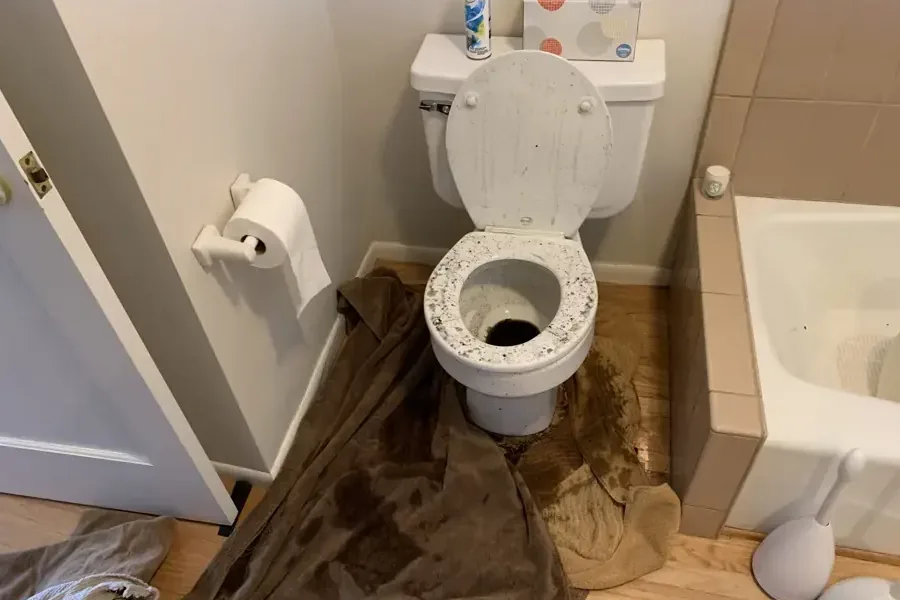
A cleared drain stops the immediate drainage problem but leaves contaminated materials behind. Toilet overflow cleanup covers a fixture centered spill, while a broader backup may reach multiple rooms and assemblies. The plan should explain which coverings obstruct access and why particular porous finishes cannot remain in place.
After removal and cleaning, structural drying addresses moisture in the remaining assembly. The completion record should distinguish the restored drainage function, cleaned contact area and drying work. It should also identify the floor or wall replacement still needed so a clean looking room is not mistaken for a fully finished repair.
Howe sewage backup cleanup response
Sewage backup cleanup covers Howe in ZIP 75459. The assessment connects indoor exposure, safe removal access and drainage repair coordination with the materials affected at the property.
The same service nearby: sewage backup cleanup in Anna, Van Alstyne, Sherman.
Water damage restoration in Howe · every town coveredRelated water damage services in Howe
Sewage Backup Cleanup questions
1Can household fans be used during a sewage backup?
Air movement across contaminated surfaces can spread residue. The work boundary, material removal and cleaning plan should be established before equipment is used to dry the remaining assembly.
2Does clearing the drain remove indoor contamination?
Drain correction restores flow but does not clean the surfaces already contacted. Those materials need assessment, removal where necessary and cleaning before the room proceeds to drying.
3What happens to absorbent floor coverings?
Their exposure and material condition determine the decision. Porous layers that cannot be effectively cleaned need controlled removal rather than simply extracting visible water from the surface.
4When are published sewer inspections scheduled?
The local schedule places sewer inspections on Wednesdays through BVRT. Requests must reach BVRT by 3PM on Tuesday, and the planned repair should be coordinated around the applicable process.
5What follows a passed sewer inspection?
A sewer inspection must pass before a Public Works inspection can be requested. Repair scheduling and interior cleanup should be coordinated so administrative steps do not obscure remaining material work.
6Why inspect wall bases after a floor backup?
Waste water can enter wallboard edges and concealed floor junctions. The contacted boundary may therefore extend beyond the visible floor puddle and require access behind trim or finishes.
Contain the exposure and restore the room
Cleanup should connect drainage correction with removal, accessible surface cleaning and measured drying of the materials that remain.