Toilet Overflow Cleanup in Howe
Water around a toilet needs its source identified before cleanup begins. A clean tank release and water from the bowl create different handling decisions, especially when the spill reaches absorbent flooring outside the bathroom.
(888) 527-9134Discuss the bathroom overflow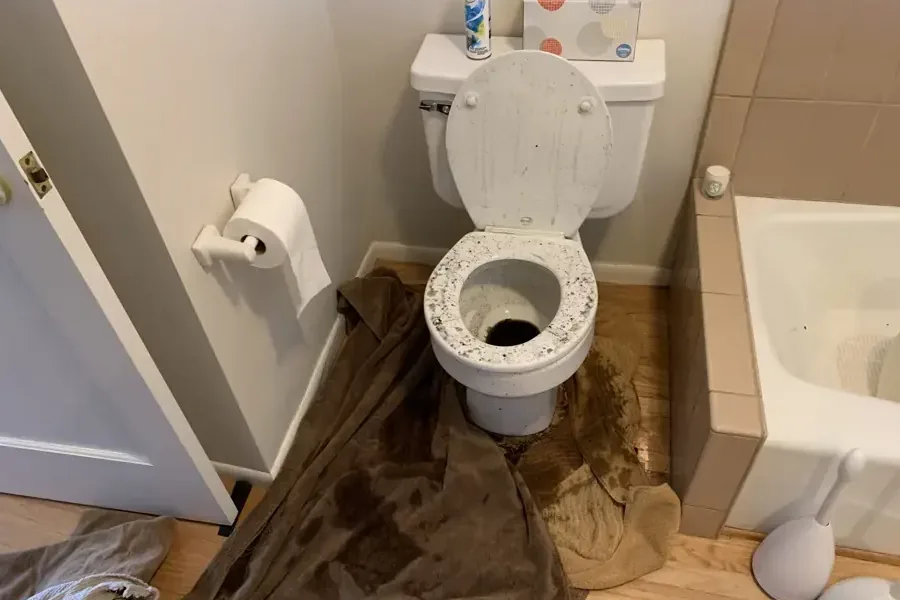
First steps for toilet overflow cleanup
- 1Leave the toilet unused
Further flushing may add water to a backed up fixture. The source should be assessed before normal use resumes, especially when nearby drains also show a change.
- 2Keep the bathroom boundary clear
People and pets should remain outside contacted surfaces. Footwear and wet belongings can carry residue into unaffected areas if they are moved without a handling plan.
- 3Describe the release origin
Information about tank water, a supply connection or bowl overflow helps direct the assessment. Visible water should not be handled as clean solely because it appears clear.
- 4Protect adjoining dry finishes
Dry contents beyond the threshold can be moved away through a safe route. Water at trim or flooring transitions should be reported so concealed spread receives attention during inspection.
What does toilet overflow cleanup cost in Howe, TX?
Toilet overflow costs in Howe depend on the release source and materials contacted. A bathroom spill that reaches carpet, cabinet bases or concealed floor layers needs a broader scope than accessible surface water.
- Limited supply spill
- Accessible bathroom floor
- Localized moisture checks
- Contact surface cleaning
- Porous material assessment
- Protected removal route
- Adjoining floor exposure
- Hidden edge moisture
- Expanded cleanup boundary
Planning ranges depend on water category, affected square footage, material class and how quickly drying starts. The water damage cost calculator compares scope assumptions; the property inspection sets the work required.
How toilet overflow cleanup proceeds
- 1
Determine source and contact
Assessment identifies the overflow origin, the affected floor area and any connected drainage symptoms. The source informs handling, cleaning and material removal decisions.
- 2
Remove water with separation
Accessible liquid is removed while the work boundary protects clean areas. Porous materials that cannot be retained are evaluated for controlled removal from the bathroom.
- 3
Clean reachable affected surfaces
The remaining contact surfaces are cleaned with attention to edges and exposed recesses. Access is extended where retained water or contamination lies beneath a finish.
- 4
Assess moisture before repairs
Readings establish the condition of the remaining floor and wall assembly. The completion record separates cleanup, drying and the fixture or drainage repair still needed.
A toilet overflow in Howe can move quickly from a washable bathroom surface to carpet or wood outside the doorway. The cleanup decision begins with where the water came from and what it contacted. A towel over the threshold may hide continued spread beneath trim or into the floor transition.
Stop adding water and restrict contact
Repeated flushing can enlarge a bowl overflow. The fixture should remain unused while the drainage problem is assessed, and people should avoid tracking water into clean rooms. A reachable supply valve may help control an active tank release when access is safe. The source assessment determines the appropriate cleaning and handling requirements.
- Describe whether the release came from the tank, supply connection or toilet bowl.
- Keep children, pets and stored bathroom items away from the affected floor.
- Check the doorway from a dry position for water reaching adjoining absorbent finishes.
Look past the tile surface
Howe's junction of Farm Road 902, U.S. Highway 75 and State Highway 5 provides the town context for arranging service. Inside the bathroom, cleanup follows its own boundary: wall bases, cabinet sides and the flooring beneath transitions. The assessment should identify each contacted material rather than treating all bathroom surfaces as equally recoverable.
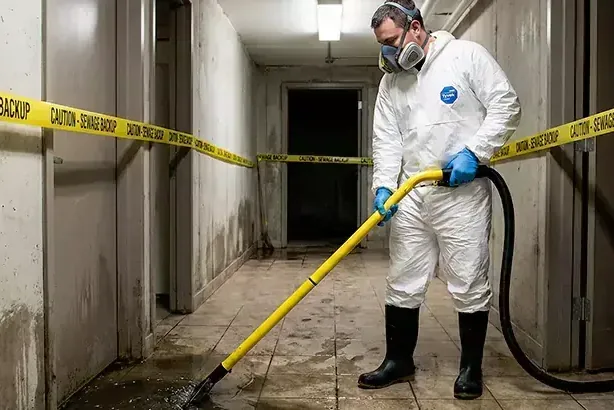
Water from the bowl can carry contamination into porous layers. Removal may be needed where a material cannot be effectively cleaned, while accessible hard surfaces require appropriate cleaning. If several fixtures are backing up, sewage backup cleanup addresses the broader drainage exposure and the separation needed around affected rooms.
Keep drainage repair distinct from room cleanup
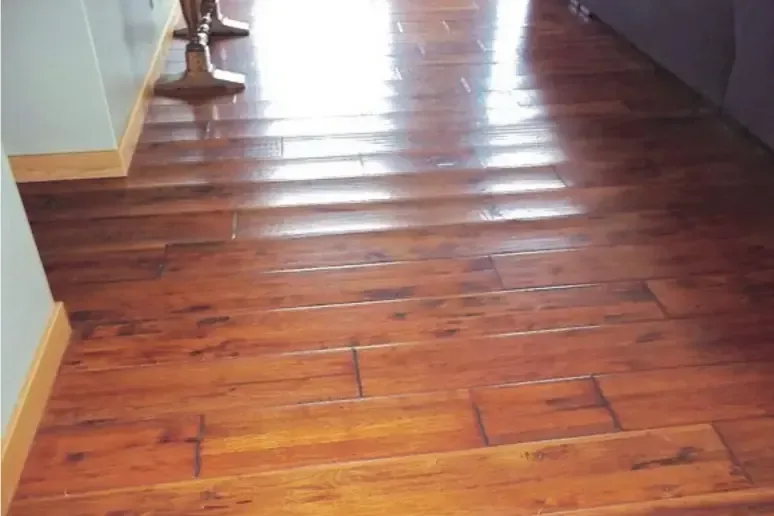
Restoring toilet function does not remove water already inside the floor or wall edge. Extraction and cleaning should reach the actual contact area before drying equipment is arranged. A bathroom that looks clean can still have moisture beneath a cabinet base or adjoining flooring, so those spaces need assessment.
Water extraction can address remaining accessible pools as part of the larger cleanup scope. Documentation should explain the water source, removed porous material and the condition of surfaces left in place. Drying and finish replacement follow those decisions rather than beginning with a cosmetic repair around the fixture.
Howe toilet overflow cleanup response
Toilet overflow cleanup serves Howe properties in ZIP 75459. Bathroom access, the release source and contact with adjoining rooms determine the inspection and cleanup boundary.
The same service nearby: toilet overflow cleanup in Anna, Van Alstyne, Sherman.
Water damage restoration in Howe · every town coveredRelated water damage services in Howe
Toilet Overflow Cleanup questions
1Does every toilet leak contain sewage?
The source matters. A tank or supply release differs from bowl overflow, but contact with surrounding materials must also be considered before cleanup methods are selected.
2Can the toilet be flushed to test the blockage?
Repeated flushing can increase an active overflow. The fixture should remain unused while its drainage problem is assessed and a safe plan for restoring function is established.
3Is tile enough to keep water out of the floor?
Water can reach joints, edges and transitions around tile. The floor assembly and adjacent wall bases need inspection when water has spread beyond the immediate fixture area.
4Should wet bathroom mats be moved elsewhere?
Affected porous items need a handling decision. Carrying them through clean rooms can spread residue, so they should remain separate until their condition and disposal or cleaning needs are assessed.
5What if water reached bedroom carpet?
The cleanup boundary expands to the contacted carpet, backing and underlying layers. The source and exposure determine whether those materials can remain or need controlled removal.
6Does an unclogged toilet finish the work?
Clearing the drainage problem restores function. Surfaces and materials already contacted by the overflow still require cleaning, moisture assessment and any necessary drying or replacement.
Keep the cleanup boundary clear
A practical scope follows the spill into adjoining materials and connects cleaning with the drying work needed before floor repairs.