Water Heater Leak Cleanup in Farmersville
The water beside a tank may be the easiest part of the spill to see. Cleanup also checks the closet threshold, lower wall surfaces and adjoining flooring for moisture that escaped the heater area.
(888) 527-9134Describe the tank area spill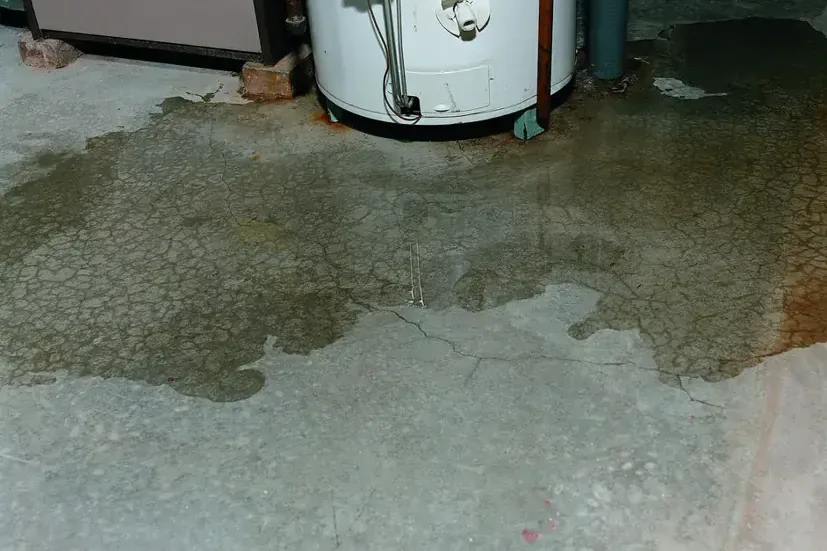
First steps for water heater leak cleanup
- 1Leave unsafe controls alone
An unfamiliar energy connection or wet control area requires appropriate appliance service. Occupants should describe the water location without reaching through a pool to operate equipment around the tank.
- 2Identify where water escaped
The report should distinguish water inside the enclosure from wet flooring beyond it. A photograph of the doorway helps show how the release reached an adjoining room.
- 3Save the tank service details
Repair notes about the source and completed work help explain the loss. Those records should stay with photographs and cleanup documents so the room assessment has clear context.
- 4Clear a safe service route
Dry movable belongings can be relocated to allow access when handling is safe. Equipment placement and tank replacement need coordination so neither task obstructs the other.
What does water heater leak cleanup cost in Farmersville, TX?
Water heater cleanup in Farmersville ranges from $800 to $6,500+ across these planning scopes. The tank area's access, adjoining floor saturation and concealed wall moisture affect restoration cost; appliance replacement is clarified separately.
- Accessible enclosure spill
- Limited surrounding saturation
- Focused water removal
- Wet doorway transition
- Adjoining floor layers
- Wall base drying
- Hidden cavity access
- Extended wet footprint
- Additional material removal
Planning ranges depend on water category, affected square footage, material class and how quickly drying starts. The water damage cost calculator compares scope assumptions; the property inspection sets the work required.
How water heater leak cleanup proceeds
- 1
Inspect the heater enclosure
Assessment records wet wall bases, floor surfaces and the condition of nearby contents. Source service and safe access are established before removal equipment works around the appliance.
- 2
Trace threshold migration
The inspection follows moisture into adjoining flooring and wall corners. This identifies whether the loss remains contained or requires access beyond the closet or equipment room.
- 3
Remove water and dry materials
Extraction and selective access prepare affected surfaces for drying. The equipment arrangement accommodates appliance repair while reaching the building materials that remain wet around it.
- 4
Check the finished work boundary
Measurements verify the enclosure and adjoining assembly before finish repairs. The record distinguishes tank repair, completed drying and remaining replacement of damaged trim or floor materials.
A water heater release can begin as dampness at the closet door and later reveal saturated trim inside. Farmersville cleanup addresses that surrounding assembly while the appliance receives its own service. The tank footprint, wall bottoms and adjacent room belong in the same initial inspection.
Account for the appliance before entering
Water heaters involve water connections and an energy source. Appropriate service is needed to make the affected equipment safe and stop the release. Occupants should avoid reaching through pooled water or adjusting unfamiliar controls, particularly where damaged finishes or wet electrical components limit access to the appliance area.
- The location of the active drip and the visible pool help describe the initial problem.
- A drain pan or closet floor is inspected along with surrounding surfaces that received overflow.
- Replacement access is considered before drying equipment blocks the route needed to remove the tank.
Follow water beyond the equipment footprint
Farmersville Parkway is the subject of a project replacing a chip seal roadway with a divided concrete street. At a property nearby, the interior inspection focuses on its actual heater arrangement. A closet may connect to a hallway, room or storage area, and each adjoining surface is checked when water crosses the threshold.
The public town square anchors the commercial district, while shopping and dining also occur along Highway 78. A heater serving an affected business can wet stored goods or a back room as well as its own enclosure. Contents handling should preserve a record of what became wet before items are relocated.
- Baseboard joints can hide moisture where the tank area meets an otherwise dry room.
- Flooring layers beneath the visible finish need assessment when water has migrated under the threshold.
- Wet wall material is opened selectively when the enclosed cavity cannot be dried effectively.
Finish the room work after tank service
Appliance leak restoration covers similar spread beneath equipment and cabinetry. A heater loss also needs clear separation between the appliance repair invoice and the scope for removing water from the building.
Structural drying follows the accessible wet materials after extraction. The arrangement should leave room for equipment service while maintaining suitable airflow and humidity control. Measurements at the closet edge and adjoining floor establish progress, with final records showing which assemblies are ready for trim or finish replacement.
Farmersville water heater leak cleanup response
Farmersville tank leak assessments include properties around Farmersville Parkway, the public town square and Highway 78, with cleanup boundaries established from the enclosure and adjoining rooms.
The same service nearby: water heater leak cleanup in Anna, Princeton, Van Alstyne.
Water damage restoration in Farmersville · every town coveredRelated water damage services in Farmersville
Water Heater Leak Cleanup questions
1Does replacing the tank dry the closet?
Replacement addresses the appliance, while the enclosure can still contain wet flooring or wall material. Those surfaces need inspection and, where necessary, extraction or controlled drying before finishes are restored.
2Why inspect a room outside the heater closet?
Water can move beneath the door and enter adjoining floor layers. The nearest visible pool may disappear while moisture remains at the threshold or beneath trim in the connected room.
3Can belongings stay beside the wet tank?
Their condition and the available service route determine placement. Dry items can be protected elsewhere when safe, while wet contents need documentation and appropriate handling before storage in clean areas.
4Should a property owner operate unfamiliar heater controls?
No. Safe appliance isolation depends on its equipment and connections. Appropriate service should address unfamiliar controls, especially where water or electrical exposure prevents safe access to the tank area.
5What should the restoration estimate distinguish?
The estimate should describe water removal, material access and drying separately from appliance service. It should also explain any wet wall or floor repairs required after the area reaches suitable conditions.
6Can a small spill need concealed access?
Yes, when moisture has entered a wall base or floor layer that cannot dry effectively in place. The assessment should explain the access need through observed conditions and material readings.
Dry the enclosure and the spaces it reached
A tank area assessment coordinates service access with removal and drying of the surrounding wet building materials.