Commercial Water Damage in Farmersville
A wet business interior affects more than flooring. Cleanup must account for entrances, stored goods, equipment and occupied areas while source correction and material drying are coordinated with the person responsible for access.
(888) 527-9134Discuss the affected business spaces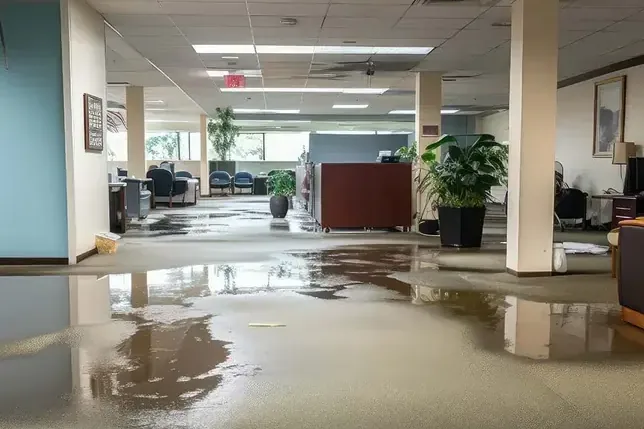
First steps for commercial water damage
- 1Assign a property contact
A responsible contact can coordinate keys, room access and source repair information. Clear authority helps the assessment proceed without conflicting directions from occupants, tenants or staff using adjacent spaces.
- 2Keep staff outside unsafe rooms
Standing water near electrical equipment or contaminated surfaces requires safety attention. Work should not continue through the affected area simply because another part of the business remains dry.
- 3Record stock and equipment exposure
Photographs and item descriptions preserve the condition of wet inventory, furniture and equipment. Documentation should precede relocation when safe, with clean staging space identified before materials are moved.
- 4Describe operating constraints
The cleanup discussion should identify required access, occupied rooms and sensitive contents. These details help arrange equipment and inspections while keeping the restoration boundary clear throughout the work.
What does commercial water damage cost in Farmersville, TX?
Commercial cleanup in Farmersville ranges from $2,000 to $25,000+ across the listed scopes. Room count, affected contents, work access and hidden moisture determine restoration needs, while equipment repair, inventory replacement and rebuilding require separate scope clarity.
- Contained business footprint
- Accessible affected surfaces
- Limited contents movement
- Coordinated room access
- Additional contents documentation
- Connected material drying
- Broad interior saturation
- Restricted operational access
- Extensive assembly monitoring
Planning ranges depend on water category, affected square footage, material class and how quickly drying starts. The water damage cost calculator compares scope assumptions; the property inspection sets the work required.
How commercial water damage proceeds
- 1
Map rooms and operational access
Inspection connects wet material locations with entrances, storage and occupied space. Source status and contact hazards establish separation and equipment routes within the business.
- 2
Document and relocate affected contents
Contents are assessed by material and exposure before safe relocation or disposal. Records preserve the loss details while cleared floor areas allow extraction and closer inspection of hidden wetting.
- 3
Dry recoverable building assemblies
Material access and readings determine the equipment plan. Work zones are adjusted as conditions change, with communication about source repairs, occupied areas and any newly discovered wet spaces.
- 4
Provide a practical completion record
The handoff lists cleaned areas, drying results and remaining repair needs. Management can use that information alongside safety and operational requirements when planning the next use of the space.
Water reaching a stockroom can affect work in an otherwise dry public area. A hose route may cross an entrance, and wet contents may need space outside their usual storage location. Farmersville commercial cleanup starts with those practical relationships so the water removal plan fits the building's use as well as its damaged surfaces.
Organize access around the actual business
The public town square anchors the commercial district. Main Street and McKinney Street are included in a downtown brick surface repair project. An affected business in this setting needs an interior access plan that identifies the equipment entrance, wet rooms and clean areas available for staging according to the room layout documented during the property assessment.
The chamber also identifies shopping and dining along Highway 78 and Highway 380. A commercial property along those corridors may have different storage, customer or staff access arrangements from a downtown interior. The site contact should identify operational priorities while the assessment establishes which areas can remain separate from the restoration work.
- Electrical exposure and water contamination are assessed before staff return to an affected work area.
- Equipment paths and drying machines should not obstruct required exits or create unmanaged crossing hazards.
- Wet inventory and furnishings are recorded before relocation changes the appearance of the original loss.
Separate material recovery from business decisions
The restoration inspection identifies soaked finishes, contents and connected rooms. Management determines operational arrangements using those findings and the applicable safety needs of the space. A dry looking entrance does not settle whether rooms behind it are suitable for occupancy, particularly when work routes or contaminated contact cross the public area.
Where several occupants share access, clear authorization and a designated contact help avoid conflicting instructions. The work description should state which rooms require entry, what belongings need movement and how source repair will be coordinated. Changes discovered during removal should be recorded against that scope before additional areas are included.
- Computer equipment and electrical appliances need appropriate assessment rather than being restarted after surface drying.
- Stored paper, packaging and absorbent goods are considered separately from recoverable hard furnishings.
- Shared wall and floor boundaries receive inspection when water could migrate into another occupied space.
Plan a documented return to the room
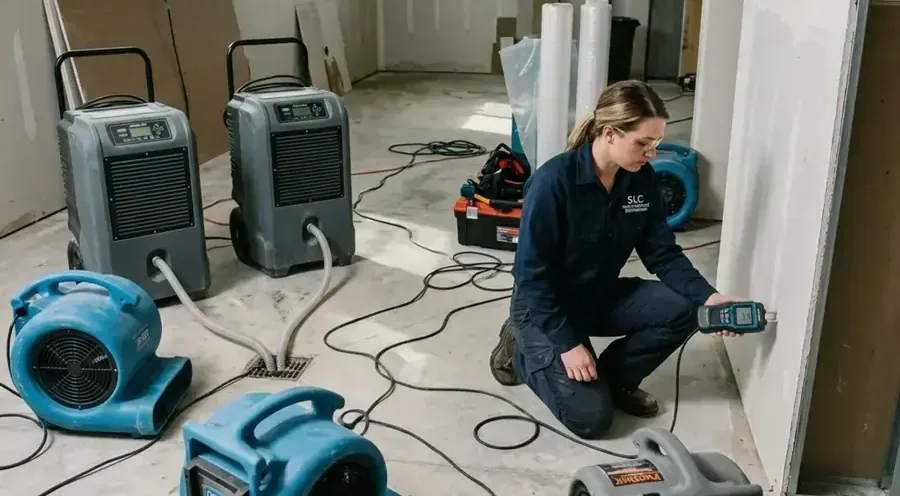
Water extraction improves access to the affected floor. Structural drying then tracks moisture in recoverable assemblies, with equipment arrangements adjusted around the room's actual conditions and necessary service access.
The handoff should explain completed removal and cleaning, final material readings and remaining source or finish repairs. That record helps management decide the next operational steps with a clear view of the physical work. Restoration progress and business reopening should remain distinct decisions, especially when damaged fixtures or incomplete repairs still restrict normal use of the space.
Farmersville commercial water damage response
Commercial assessments serve Farmersville's public town square, Main Street and McKinney Street area, plus shopping and dining corridors on Highway 78 and Highway 380 within the city.
The same service nearby: commercial water damage in Anna, Princeton, Van Alstyne.
Water damage restoration in Farmersville · every town coveredRelated water damage services in Farmersville
Commercial Water Damage questions
1Can part of a business stay occupied?
That depends on safety, contamination and the ability to separate work routes from occupied areas. The assessment should establish those conditions before continued use is planned around the cleanup equipment.
2Who should coordinate tenant and contractor access?
A designated property contact should provide authorization and access instructions. Consistent communication helps source repair, restoration and affected occupants work from the same understanding of rooms and responsibilities.
3How should wet inventory be documented?
Photographs, descriptions and storage locations help show the original exposure. Items should be assessed before disposal or relocation, with personal contents and building materials recorded as separate parts of the loss.
4Can wet electrical equipment restart after the room dries?
Affected electrical equipment needs appropriate assessment before operation resumes. That decision is separate from drying the room, even when surrounding flooring, furniture and wall materials appear ready for use.
5Why inspect adjoining tenant space?
Water can migrate through shared walls or beneath floor transitions. Access to connected areas may be needed to establish the full wet footprint and prevent an overlooked assembly from remaining enclosed.
6Does completion of drying mean immediate reopening?
Drying is a material condition milestone. Source repairs, damaged fixtures, safety requirements and remaining reconstruction can still affect occupancy, so business use should be considered with the full handoff record.
Coordinate recovery around the affected interior
The cleanup plan connects water removal, contents handling and material drying with the practical constraints of the occupied property.