Water Extraction in Farmersville
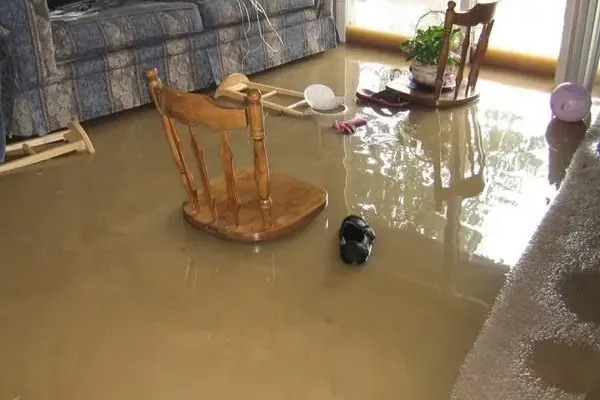
A pool spreading across a room needs more than towels at the doorway. Extraction removes accessible water while inspection identifies the carpet, trim and lower walls that have absorbed the release.
(888) 527-9134Arrange removal of pooled water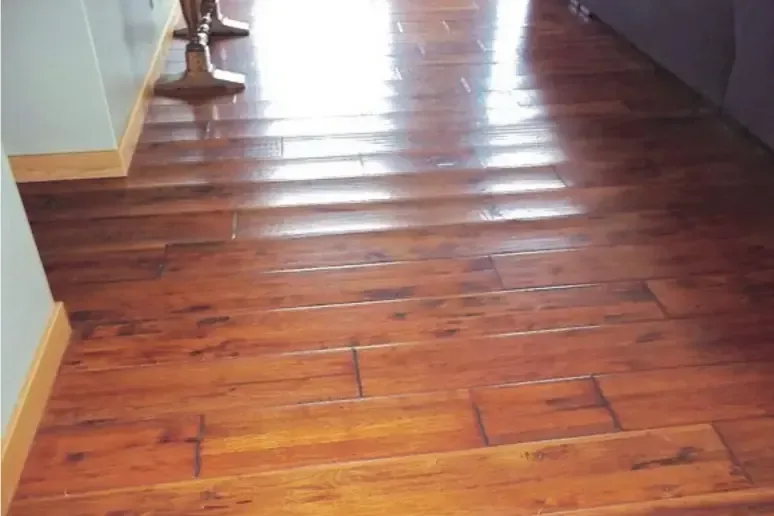
First steps for water extraction
- 1Leave the pool undisturbed
Occupants should avoid crossing standing water when outlets, appliances or damaged flooring may be involved. A dry observation point is sufficient for the initial description.
- 2Identify a safe shutoff
If a known plumbing source can be stopped from a dry location, isolation limits further spread. Electrical or unstable overhead conditions require professional safety attention.
- 3Record visible room boundaries
Photographs should include doorways and the bases of nearby furnishings. These details preserve the initial footprint when removal changes the appearance of the floor.
- 4Prepare a dry entry route
Accessible doors and a clear staging area help equipment reach the loss. Belongings should only be relocated when handling them is safe and appropriate.
What does water extraction cost in Farmersville, TX?
Water extraction in Farmersville may range from $500 to $7,500+ depending on pool size, material saturation and removal access. The estimate should explain whether subsequent drying and contaminated material handling are included in the scope.
- Single accessible spill
- Straightforward hose access
- Limited wet contents
- Connected floor areas
- Additional carpet extraction
- Room edge checks
- Difficult equipment access
- Deep material saturation
- Broader water footprint
Planning ranges depend on water category, affected square footage, material class and how quickly drying starts. The water damage cost calculator compares scope assumptions; the property inspection sets the work required.
How water extraction proceeds
- 1
Classify the release
The assessment identifies the water source, contact history and affected surfaces. These findings establish precautions and the equipment suitable for the removal work.
- 2
Remove pooled and trapped water
Extraction addresses the main pool and reachable pockets around room edges. Saturated recoverable surfaces receive additional passes suited to their construction and condition.
- 3
Check remaining material moisture
After access improves, measurements examine flooring layers and lower walls. Wet concealed areas are marked so the drying scope reflects more than visible surface conditions.
- 4
Explain the continuing work
The property owner receives a description of remaining drying or cleaning needs. Equipment, disposal and repair requirements are distinguished in the next phase of work.
The water boundary is often wider than the deepest puddle. A carpet edge can carry water into a closet, and a doorway can hide moisture beneath a transition strip. Farmersville water extraction starts by locating those connections so removal reaches the affected footprint rather than simply clearing a walking path.
Choose access before moving the water
The public town square anchors the commercial district. For an affected business there, equipment access and the location of dry contents matter alongside the amount of standing water. A home near City Park may have different access needs, but the same decision applies: establish a safe working route before hoses cross occupied areas.
- Electrical exposure needs assessment before anyone handles equipment or walks into a flooded room.
- The source must be isolated so extraction does not compete with a continuing supply release.
- Contact with wastewater changes handling, equipment cleaning and the treatment of porous materials.
Look at the floor as an assembly
A hard surface may shed visible water while seams hold moisture below it. Carpet may release water under extraction yet leave wet padding underneath. The inspection distinguishes removable pools from moisture inside materials, making clear why a room can need further work after the water is no longer visible.
At properties around Main Street, the work description should identify wet furnishings separately from flooring and wall finishes. Moving a cabinet or stored item can reveal another pocket. Documenting those discoveries keeps the removal scope connected to the actual condition of the room instead of an initial photograph alone.
- Floor edges and transitions receive targeted attention where water can pass beneath the visible finish.
- Recoverable contents are moved to suitable dry areas without dragging wet bases across clean flooring.
- Wall bottoms are checked for absorbed moisture before replacement trim conceals the affected materials.
Decide what happens after extraction
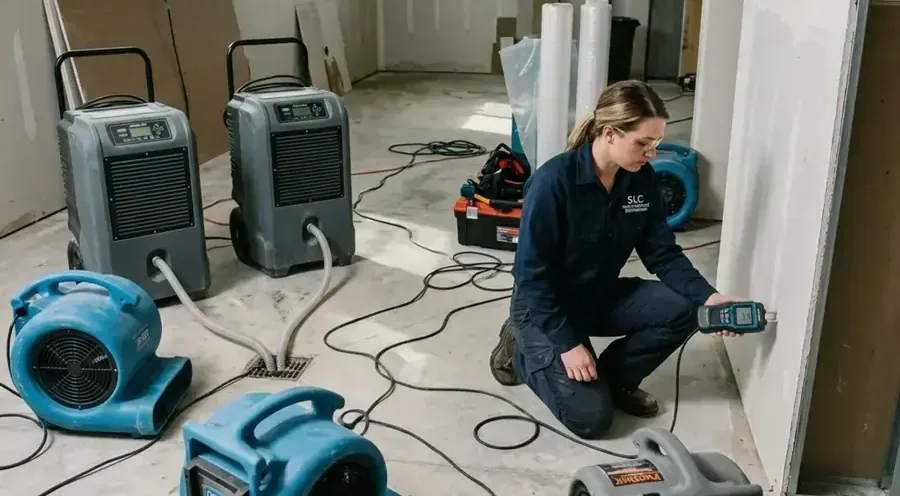
The handoff to structural drying depends on measurements and material condition. Air movers help evaporation, while dehumidification removes moisture from the room air. Equipment placement should match the remaining wet surfaces rather than filling the room without a clear purpose.
When outside water caused the pool, storm flood cleanup also addresses deposited soil and contaminated contact. A useful completion record separates water removed, materials cleaned or discarded, and the assemblies still being dried. That distinction helps owners understand why the initial pump out is only part of restoring a usable room.
Farmersville water extraction response
Removal assessments cover Farmersville properties around the public town square, Main Street and City Park, with access planning based on the affected interior and equipment route.
The same service nearby: water extraction in Anna, Princeton, Van Alstyne.
Water damage restoration in Farmersville · every town coveredRelated water damage services in Farmersville
Water Extraction questions
1Does pumping finish the water damage work?
Pumping removes a pool, while absorbed moisture can remain in flooring and walls. Measurements after removal establish which materials still need drying or selective access before repairs can begin.
2Can a household vacuum remove standing water?
A normal household vacuum is unsuitable for water removal. Equipment selection must account for electrical safety, the volume present and contamination, especially when the water source is uncertain.
3Why is water checked beyond the puddle?
Absorbent materials can spread moisture farther than a visible pool. Door transitions and wall bases deserve attention because overlooking them can leave wet areas enclosed after surface cleanup ends.
4Will carpet need to be lifted?
That depends on its condition, contamination and whether the padding and supporting floor can dry effectively. The assessment should explain any lifting or removal before treating the carpet as recoverable.
5Should the outside door stay open during drying?
Open doors can introduce humid air and disrupt controlled drying conditions. Once equipment is operating, the work area should follow the drying plan rather than relying on an open doorway.
6What information helps with an extraction estimate?
The source, affected rooms, approximate water depth and access restrictions help describe the job. Photographs support that account, but hidden saturation still requires inspection once standing water is removed.
Clear the water and identify what remains wet
An extraction assessment connects equipment access with the affected rooms and the next material drying decisions.