Structural Drying in Farmersville
A floor without puddles can still sit above wet support materials. Structural drying manages the moisture remaining inside the building, using measurements to direct airflow, humidity control and access to concealed areas.
(888) 527-9134Discuss remaining building moisture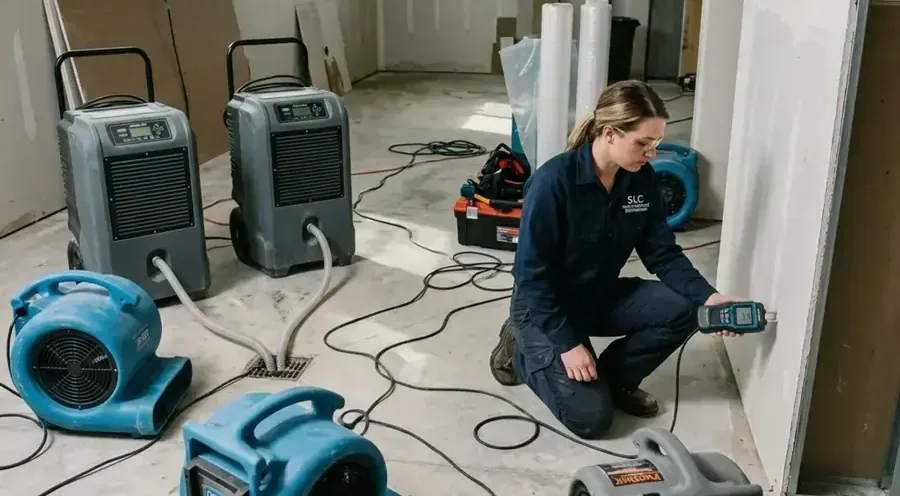
First steps for structural drying
- 1Confirm the source is addressed
Drying cannot resolve a continuing release. The property report should include source repair status, any remaining dripping and whether another affected area has appeared since the first water removal.
- 2Describe the wet construction
Known floor finishes, wall openings and affected cabinets help explain access needs. The inspection verifies those materials and identifies where concealed layers may still hold moisture after surface cleanup.
- 3Protect equipment access
Drying machines need safe placement and access for measurements. Occupants should keep storage and foot traffic clear of the work area so airflow and inspection routes remain usable.
- 4Report changes during operation
New water, altered room conditions or interrupted equipment operation should be communicated promptly. Those changes can affect moisture progress and may require an adjustment to the existing drying plan.
What does structural drying cost in Farmersville, TX?
Structural drying in Farmersville ranges from $1,000 to $10,000+ across these planning scopes. Material access, affected assemblies and monitoring requirements determine equipment needs, with removal and reconstruction clarified in the written estimate.
- Exposed wet surfaces
- Simple room separation
- Focused measurement points
- Connected construction layers
- Varied drying access
- Additional humidity control
- Restricted cavity access
- Persistent hidden saturation
- Expanded progress monitoring
Planning ranges depend on water category, affected square footage, material class and how quickly drying starts. The water damage cost calculator compares scope assumptions; the property inspection sets the work required.
How structural drying proceeds
- 1
Establish material measurement points
Initial readings map the affected assembly and suitable comparison locations. The record identifies the materials being dried, their access limits and the conditions that need to improve.
- 2
Create controlled drying conditions
Air movement and moisture removal are arranged around exposed wet surfaces. Power, room separation and equipment positioning are considered together so the setup supports the actual building materials.
- 3
Respond to measured progress
Follow up readings show whether each area is improving. The approach changes when concealed moisture, restricted access or another release prevents the expected response from a material section.
- 4
Record completion and repair needs
Suitable material conditions support equipment removal and the repair handoff. Documentation distinguishes finished drying from remaining source work, finish replacement and other reconstruction required to restore the space.
Structural drying begins where simple water removal leaves off. In Farmersville's hot, humid summers, airflow and indoor humidity need to work together so evaporating moisture leaves the affected materials. A room can feel comfortable while framing or floor layers still require attention beneath finished surfaces.
Set a drying objective for each assembly
A wet wall, exposed framing and layered floor do not release moisture in the same way. The assessment records their construction and condition, then establishes access and measurement points. Comparison readings from suitable unaffected materials help interpret the wet area's response instead of relying on touch or appearance.
- Surface readings are considered with the assembly behind them and the route of the original release.
- Insulation or coverings that prevent effective evaporation may require selective removal to expose wet materials.
- Equipment arrangements need safe power and sufficient access for repeated inspections of the drying area.
Adjust conditions as the materials respond
Farmersville Parkway is being replaced with a divided concrete street through a city project. Hamilton Street supports downtown traffic, and the public town square anchors the commercial district. Inside affected properties in these areas, the drying setup follows the actual room layout, occupancy and material condition rather than a uniform equipment count.
Air movers help moisture evaporate from exposed surfaces. Dehumidification removes that moisture from the indoor air, preserving useful drying conditions. Doors, windows and interruptions to equipment operation can change those conditions. The property owner should receive practical instructions about the room setup and when an adjustment needs attention.
Investigate areas that stop progressing
- A slow wall section may require better access rather than simply more air movement in the room.
- Renewed wetting calls for source reassessment and adjustments to equipment where the affected area has changed.
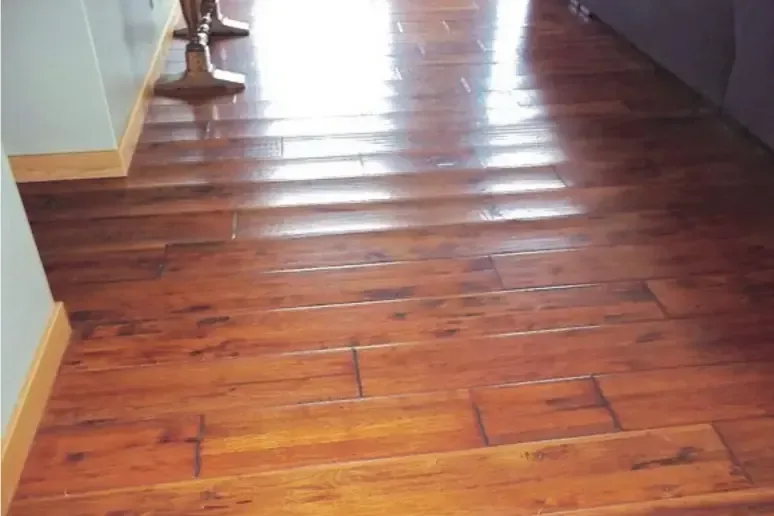
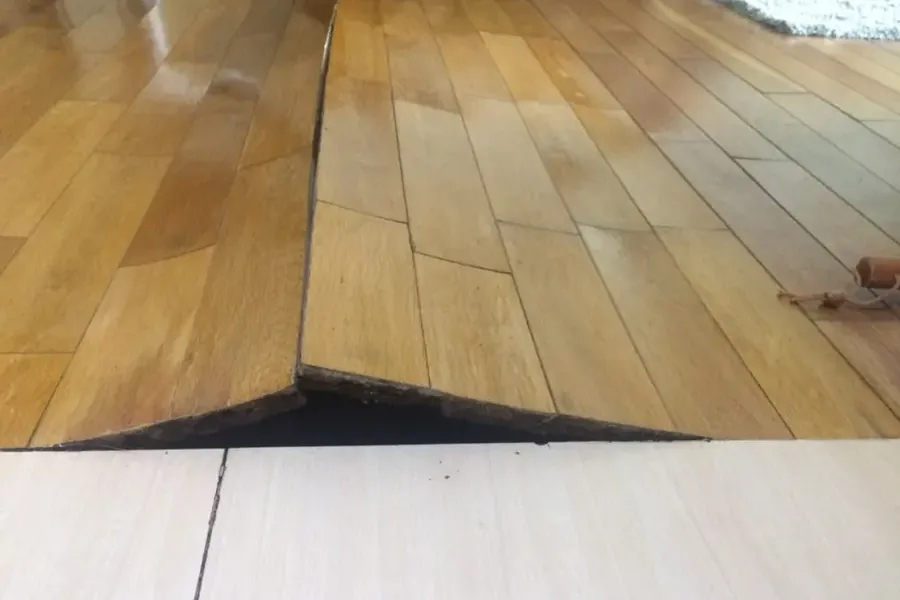
- Floor coverings may trap moisture in supporting layers despite improvement at the visible surface.
Where boards remain affected, hardwood floor drying assessment considers the complete flooring assembly. An overhead loss may also involve ceiling leak restoration to expose wet insulation and framing safely.
Final measurements support the decision to remove equipment and proceed with repairs. The record should show what was checked and identify remaining reconstruction or source correction needs. This gives the next trade a practical handoff while keeping unfinished repair work distinct from completed material drying.
Farmersville structural drying response
Structural drying assessments cover Farmersville buildings near Farmersville Parkway, Hamilton Street and the public town square, with equipment arrangements based on material access and occupied room conditions.
The same service nearby: structural drying in Anna, Princeton, Van Alstyne.
Water damage restoration in Farmersville · every town coveredRelated water damage services in Farmersville
Structural Drying questions
1Why is room humidity measured during drying?
Wet materials release moisture into the air. Humidity control helps that process continue, while room measurements show whether equipment and the enclosed work area are maintaining useful conditions for evaporation.
2Can a dry surface conceal wet framing?
Yes. The exposed finish can improve before the material behind it reaches suitable conditions. Assembly knowledge and targeted moisture readings help identify what remains wet beyond the surface.
3Does adding more fans always improve drying?
No. Effective drying depends on material access, humidity removal and appropriate airflow. An obstructed cavity may need access or a different approach instead of more equipment blowing across the room.
4Can windows stay open while dehumidifiers operate?
Outdoor air can alter the controlled room conditions and add moisture. The drying plan should specify how the work area is kept enclosed so the equipment can perform its intended role.
5What if a measurement stops improving?
The area needs reassessment for trapped moisture, inadequate access or continuing water entry. Adjustments should respond to that finding rather than leaving the same arrangement in place without explanation.
6How is the end of drying established?
Material readings and the requirements of the affected assembly support the completion decision. Final documentation records those conditions and separates completed drying from repairs or source work that still remain.
Bring the dry out to a documented finish
A measured plan connects equipment operation with the material conditions needed before repairs cover the assembly.