Hardwood Floor Water Damage in Farmersville
Raised edges and changed board shape tell only part of the story beneath a wet wood floor. Assessment identifies the installed flooring, supporting layers and moisture distribution before deciding whether targeted drying is practical.
(888) 527-9134Discuss the changed floorboards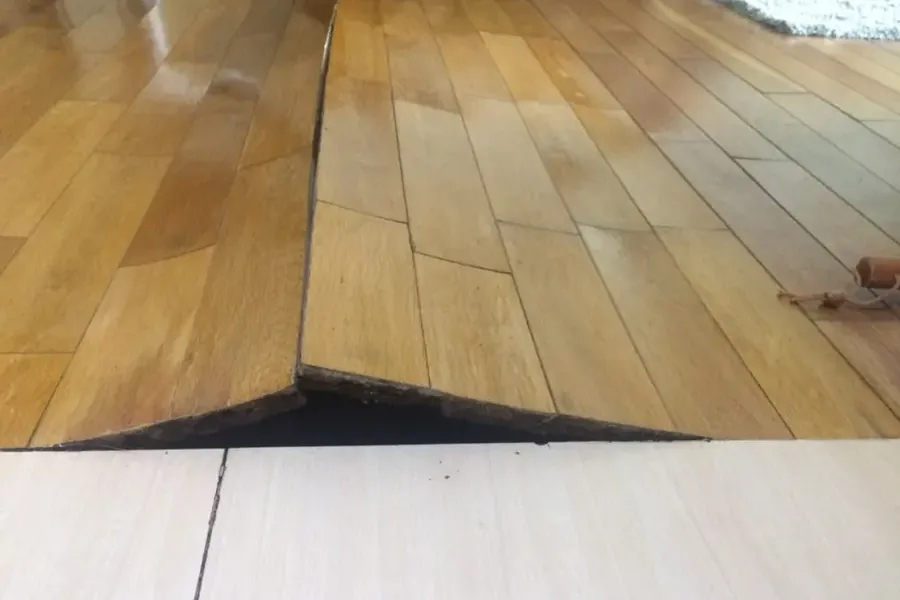
First steps for hardwood floor water damage
- 1Avoid stressing raised sections
Loose or buckled boards can create a trip hazard and may move under weight. Occupants should keep traffic off the damaged area while a safe inspection route is established.
- 2Document the visible changes
Photos should show board edges, room transitions and the source area if known. The initial pattern helps explain how the floor changed before drying or selective removal begins.
- 3Keep refinishing on hold
Sanding or covering a wet floor can obscure the condition before moisture is assessed. The assembly needs source correction and suitable drying decisions before cosmetic repair work proceeds.
- 4Describe the installed floor
Any available product or installation information can support the assessment. The inspection still checks actual material condition and supporting layers before choosing equipment or recommending replacement sections.
What does hardwood floor water damage cost in Farmersville, TX?
Hardwood floor cleanup in Farmersville ranges from $1,000 to $8,000+ for these restoration scopes. Installed layers, board movement and drying access influence the work, while finish restoration or replacement should be described separately.
- Limited board involvement
- Accessible moisture pattern
- Focused drying placement
- Layered assembly checks
- Controlled extraction method
- Repeated material measurements
- Extensive board movement
- Selective damaged removal
- Supporting material access
Planning ranges depend on water category, affected square footage, material class and how quickly drying starts. The water damage cost calculator compares scope assumptions; the property inspection sets the work required.
How hardwood floor water damage proceeds
- 1
Identify flooring construction
The assessment establishes board type, attachment and accessible supporting materials. Visible movement and moisture comparisons show which sections need focused attention before the drying method is selected.
- 2
Map moisture beneath the finish
Measurements follow affected boards and room transitions. Nearby cabinet or wall edges are included when the source route suggests water could remain concealed beyond the open floor.
- 3
Apply suitable targeted drying
Equipment is selected for the recoverable assembly and adjusted as readings change. Sections obstructing access or showing irreversible damage may require selective removal during the work.
- 4
Define remaining flooring repairs
The final condition determines whether refinishing, local replacement or broader repairs are appropriate. Moisture documentation helps the next trade understand what was dried and what remains damaged.
A wet board can change shape while water remains beneath a finish that still looks sound. Hardwood floor assessment in Farmersville treats the floor as a layered assembly. The initial question is what flooring is installed and where its supporting materials are wet, rather than whether the surface can be sanded immediately.
Read the floor before choosing equipment
Solid wood, layered products and different attachment methods need different treatment. Measurements across affected boards and comparison areas help describe the moisture pattern. Raised sections also create a walking hazard, so room access should avoid stressing loose or lifted material during the assessment.
- Board edges and joints are inspected alongside the overall floor shape and visible finish condition.
- Adjacent thresholds show where water may have entered a different flooring assembly or room.
- Supporting material moisture is considered before the upper surface is treated as fully recovered.
Connect the room layout with water migration
The Historic Onion Shed, Bain-Honaker House and Farmersville Heritage Museum are local destinations. At an affected property nearby, the floor's installed construction determines the restoration choices. Inspection identifies the boards, underlayment and access available within the damaged room, then connects those findings with the moisture pattern beneath the finish.
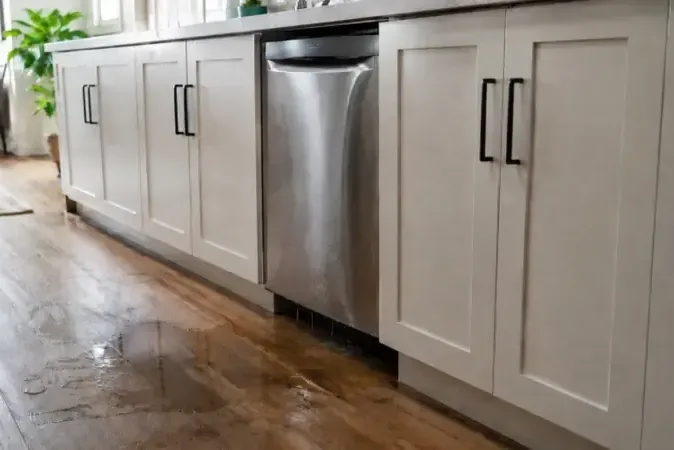
Water from a nearby appliance can run under cabinetry before reaching exposed wood. A ceiling release can wet a concentrated area and then spread along board joints. Recording the source route helps choose measurement locations and shows whether an adjoining wall or floor section belongs in the same drying scope.
Test the recovery path before finish work
Targeted equipment can help remove moisture from some recoverable floor assemblies. Suitability depends on how the layers are joined, how much movement has occurred and whether concealed water can be reached. Selective removal may be necessary when damaged boards or trapped layers prevent effective drying of the supporting materials.
- Equipment placement is adjusted when readings show uneven progress beneath the affected flooring.
- Source correction is completed before a repaired floor is exposed to another release.
- Refinishing and replacement decisions follow material condition after the drying response has been assessed.
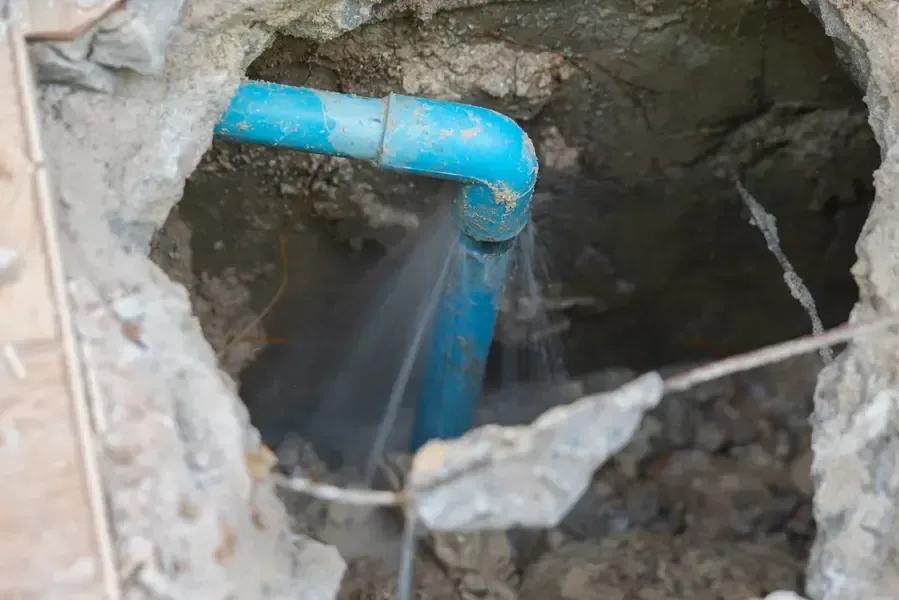
Appliance leak cleanup addresses concealed source areas, while slab leak restoration separates floor wetting from plumbing diagnosis. Both can connect to the wood floor assessment when their water reaches the installed boards.
The final record should describe the moisture results and remaining damage, including any sections that need replacement despite drying. This gives the flooring repair contractor a clear starting point instead of relying on the room's appearance alone.
Farmersville hardwood floor water damage response
Farmersville wood floor assessments include properties near the Historic Onion Shed, Bain-Honaker House and Farmersville Heritage Museum, with treatment selected for the installed flooring assembly.
The same service nearby: hardwood floor water damage in Anna, Princeton, Van Alstyne.
Water damage restoration in Farmersville · every town coveredRelated water damage services in Farmersville
Hardwood Floor Water Damage questions
1Can raised boards flatten during drying?
Some movement can change as moisture conditions improve, but recovery depends on the material and damage. The assessment should avoid promising a cosmetic outcome before the assembly's response is known.
2Why measure beneath the finished wood?
Supporting layers can retain moisture after the exposed boards improve. Their condition affects whether the floor can remain installed and when replacement or refinishing can proceed without concealing a wet assembly.
3Is immediate sanding a useful first step?
Sanding changes the surface while the wet assembly may still be moving. Moisture assessment and drying come before finish decisions so repairs respond to the floor's stabilized condition.
4Will every wet board require removal?
No. Sound material may remain when the assembly permits effective drying. Removal is considered where damage, contamination or inaccessible moisture prevents recovery of the boards or the supporting materials.
5Does the source affect floor recovery?
Yes. Clean supply contact, used appliance water and outside flooding can require different handling. The inspection considers contamination along with the physical condition of the boards and supporting assembly.
6What belongs in the flooring repair handoff?
Material moisture results, areas removed and remaining board damage should be recorded. That information helps define the next repair scope without confusing successful drying with restoration of every visible finish defect.
Assess recovery beneath the wood finish
Floor measurements connect the visible damage with practical drying access and the repairs still needed afterward.