Sewage Backup Cleanup in Farmersville
Wastewater reaching a room creates a contact problem as well as a water problem. Cleanup controls access, removes contaminated materials as needed and prepares recoverable surfaces for cleaning before drying begins.
(888) 527-9134Report the wastewater contact area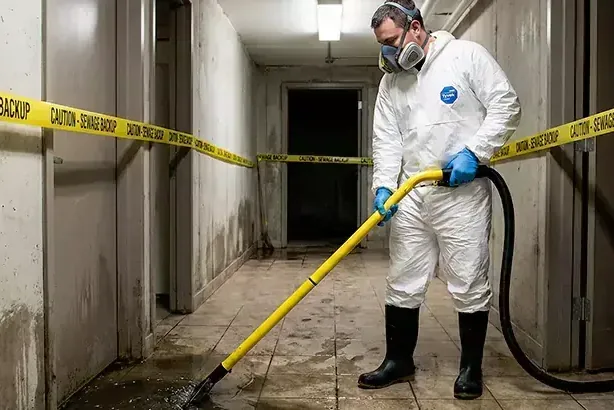
First steps for sewage backup cleanup
- 1Restrict the contacted rooms
Children, pets and other occupants should stay beyond the wastewater boundary. Access control reduces exposure and prevents contaminated footwear or belongings from carrying the problem into clean areas.
- 2Stop using affected fixtures
Further fixture use can add to an unresolved backup. The source assessment needs details about which drains are involved and whether wastewater is continuing to enter the property.
- 3Document without crossing contamination
Photographs taken from clean access points can record water, debris and affected contents. Items should not be moved through occupied rooms just to obtain a closer inventory.
- 4Coordinate utility and property access
A municipal service concern can be reported to City Hall while interior cleanup is arranged. Access instructions should identify the affected room and any blocked or unsafe entrances.
What does sewage backup cleanup cost in Farmersville, TX?
Sewage cleanup in Farmersville has planning ranges from $1,500 to $15,000+. Contaminated surface area, porous material disposal and access beneath finishes determine the work, with drain repair and later rebuilding identified as separate scope items.
- Limited wastewater contact
- Accessible surface cleaning
- Controlled waste removal
- Wet porous finishes
- Concealed contact access
- Multiple cleaned surfaces
- Expanded contaminated footprint
- Complex contents handling
- Extensive structural drying
Planning ranges depend on water category, affected square footage, material class and how quickly drying starts. The water damage cost calculator compares scope assumptions; the property inspection sets the work required.
How sewage backup cleanup proceeds
- 1
Establish the contaminated boundary
Inspection records wastewater contact on finishes and contents, including spread into hidden edges. Source status and safety concerns determine the initial controls before equipment enters the room.
- 2
Remove wastewater and unsuitable materials
Controlled removal addresses pools, debris and porous components that cannot be recovered effectively. An inventory preserves the reason for disposal and distinguishes contents from building material access.
- 3
Clean the exposed recoverable assembly
Suitable surfaces are cleaned after gross removal. Work routes and tool handling protect treated areas, while inaccessible pockets receive further attention where wastewater contact has been identified.
- 4
Measure the remaining drying work
Drying follows the prepared structure, with readings directing airflow and humidity control. The handoff includes cleaned areas, removed finishes and the repairs still needed after material conditions are suitable.
A backup can leave contamination along a floor seam after the visible wastewater is removed. Farmersville sewage cleanup addresses that contact directly, including wet furnishings and concealed edges. Room access stays controlled so an isolated loss does not become a larger problem through shoes, tools or casually moved belongings.
Coordinate the drain problem and indoor response
The City of Farmersville establishes sewer service through its utility application process, and City Hall is the contact for sewer emergencies or repairs at any hour. Reporting a service concern and arranging indoor cleanup are connected tasks. The restoration scope should record whether wastewater is still entering before removal work proceeds.
- Affected fixtures should remain unused while the cause of the backup is being addressed.
- Occupants should avoid handling wet electrical equipment or crossing contaminated water to reach stored items.
- Clean storage and occupied rooms need separation from removal routes and affected belongings.
Map contact before choosing what can remain
Main Street and McKinney Street are part of the downtown brick surface repair project, and the public town square anchors the commercial district. Within an affected home or business nearby, the inspection records the actual wastewater path. Floor coverings, wall bases and contents are considered individually rather than treating the room as a single washable surface.
Porous materials can retain contamination beneath their exterior. When effective cleaning is not practical, removal exposes the underlying assembly and reduces material left in the work area. Suitable hard surfaces receive appropriate cleaning after gross wastewater and debris are removed. The estimate should explain these decisions with a clear inventory.
Keep cleanup traffic from spreading the loss
- Waste handling follows a planned route that avoids tracking contaminated water through unaffected rooms.
- Tools and recoverable belongings are handled in a way that separates dirty work from cleaned surfaces.
- Concealed voids are accessed where wastewater entered beneath cabinets, floor coverings or lower wall finishes.
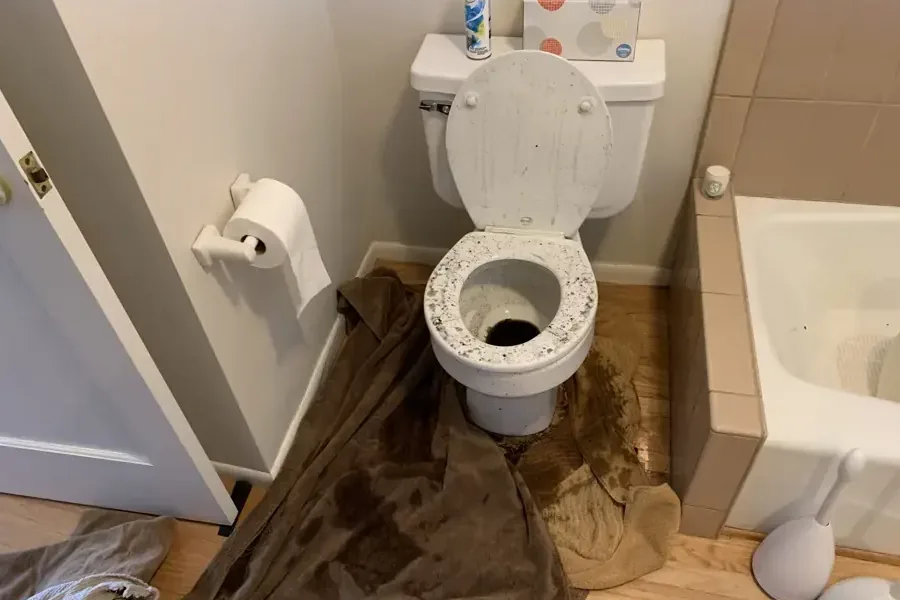
A toilet overflow may have a smaller footprint, but the water's origin still determines its handling. Broad backup contact can require more extensive separation and removal before drying equipment belongs in the room.
Structural drying begins after the necessary contamination work prepares the remaining materials. Moisture measurements then track the cleaned assembly. Completion records should identify discarded finishes, cleaned surfaces and material conditions so later repairs restore an understood space rather than covering unexplored contact areas.
Farmersville sewage backup cleanup response
Farmersville sewage assessments include interiors around Main Street, McKinney Street and the public town square, with controlled routes planned for wastewater removal and affected material handling.
The same service nearby: sewage backup cleanup in Anna, Princeton, Van Alstyne.
Water damage restoration in Farmersville · every town coveredRelated water damage services in Farmersville
Sewage Backup Cleanup questions
1Can wastewater be handled like a supply spill?
No. Sewage contact requires contamination controls and appropriate cleaning decisions. Removing the visible water alone leaves unresolved questions about porous finishes, hidden spaces and belongings reached by the backup.
2Who receives a city sewer emergency report?
City Hall is the local contact for sewer emergencies or repairs at any hour. Interior cleanup still needs a separate assessment of wastewater contact and the materials affected inside the property.
3Will ordinary fans help before cleaning?
Airflow can move contamination beyond the original footprint when dirty materials remain untreated. Removal and appropriate cleaning establish suitable conditions before a controlled structural drying arrangement is put into use.
4Are hard surfaces automatically ready after a wipe?
They need cleaning suited to the contact and surface condition after gross wastewater removal. Joints, edges and inaccessible voids may require additional access even when the visible surface appears improved.
5Why keep a disposal inventory?
The inventory explains which belongings and building materials were affected and why removal was needed. Photographs and descriptions preserve a useful record before the room changes during cleanup and access work.
6What happens if wastewater enters again?
The source status needs immediate reassessment, and renewed contact can change the cleanup scope. Cleaned areas must be protected while the drain or service problem is addressed before drying continues.
Prepare contaminated rooms for recovery
The assessment identifies removal, cleaning and drying needs while keeping affected contents separate from clean occupied spaces.