AC Leak Water Damage in Farmersville
A condensate problem can wet a ceiling or closet gradually before a puddle draws attention. Cleanup connects the air handler area with the materials below and beside it, while equipment service corrects the release.
(888) 527-9134Describe the condensate wet area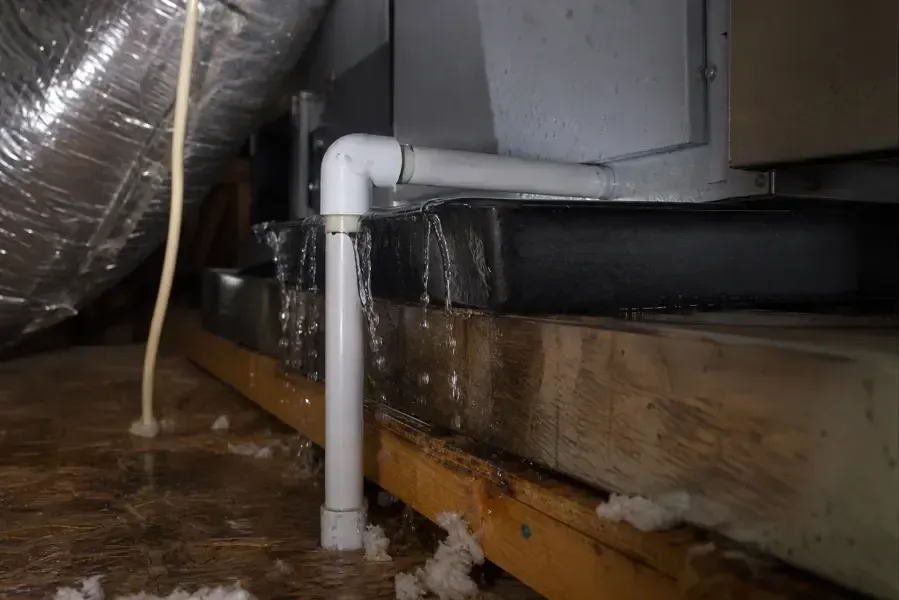
First steps for AC leak water damage
- 1Describe the equipment location
The report should identify whether the wet area is beside a closet unit or below attic equipment. That information helps plan access while occupants stay outside unsafe spaces.
- 2Avoid touching wet controls
Water near electrical components requires appropriate safety attention. Occupants should keep clear of exposed connections and arrange AC service rather than attempting unfamiliar adjustments around the affected air handler.
- 3Record stains and adjoining wetting
Photos from a safe room can show ceiling marks, wall corners and floor edges. The first visible patch should be documented along with nearby surfaces that feel or appear affected.
- 4Coordinate service and cleanup access
Equipment repair and restoration need a usable route to the source area. Service notes help explain what released water while the inspection determines which surrounding materials still require drying.
What does AC leak water damage cost in Farmersville, TX?
AC leak cleanup in Farmersville ranges from $700 to $7,000+ across these scopes. Equipment location, wet insulation and concealed spread determine restoration access, with AC service described separately from building material drying.
- Accessible equipment surroundings
- Limited wall wetting
- Focused floor checks
- Saturated insulation access
- Concealed framing moisture
- Controlled finish opening
- Broader hidden spread
- Multiple affected surfaces
- Additional drying adjustments
Planning ranges depend on water category, affected square footage, material class and how quickly drying starts. The water damage cost calculator compares scope assumptions; the property inspection sets the work required.
How AC leak water damage proceeds
- 1
Connect condensate with room damage
Assessment records source service findings and visible moisture beside the equipment. Inspection follows the path through insulation, framing and finishes to define the affected assembly.
- 2
Expose wet obstructed material
Selective access addresses saturated insulation or coverings that block inspection and evaporation. The work scope explains removal choices and preserves access needed for the air handler's separate service.
- 3
Dry the surrounding construction
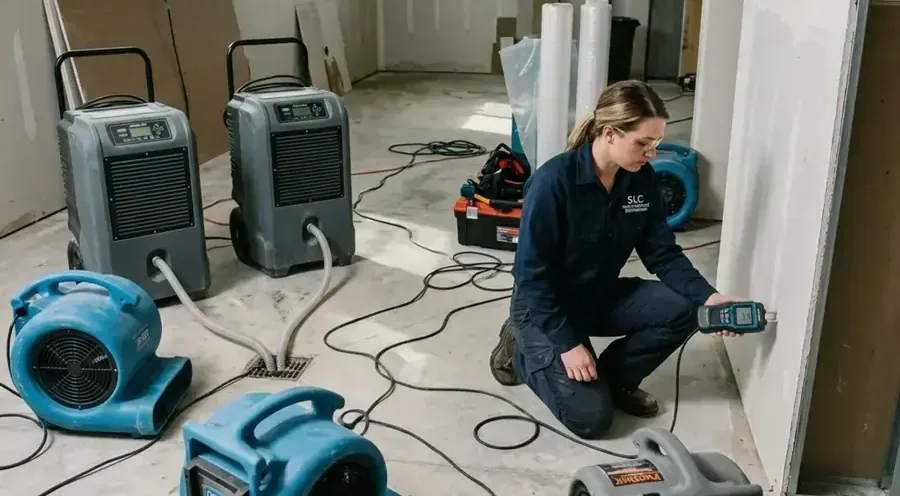
Airflow and humidity control address the wet building materials after the release stops. Measurements are repeated at affected edges to check whether hidden sections are responding to the setup.
- 4
Separate service completion from repairs
The final record identifies dry materials, completed equipment work and remaining finish replacement. Insulation, walls and ceilings are restored after the assembly reaches suitable conditions for closure.
A small condensate release can keep nearby materials damp without producing a dramatic flood. Farmersville's hot, humid summers provide the seasonal setting for AC use, while the actual equipment condition determines the source problem. Restoration focuses on what escaped water reached beyond the drain pan or equipment enclosure.
Let equipment service establish the cause
An air handler, drain connection or pan may require service before normal operation resumes. Occupants should describe visible water and room symptoms without dismantling equipment or stepping into an unsafe attic. Wet electrical components and uncertain overhead access need appropriate attention before anyone attempts to reach the source.
- A ceiling mark beneath equipment can indicate water moving through insulation before reaching the room.
- Closet wall bases and adjacent flooring are inspected when condensate escapes at a lower level.
- The service findings are recorded so the restoration scope can connect wet materials with source correction.
Measure beyond the most visible damp patch
Rike Memorial Library is a community facility, and Collin College operates a branch campus in the city. Hamilton Street supports downtown traffic through a city project. At an affected property near these places, the useful access details are the air handler location, the wet room and any obstruction between them.
Condensate may soak insulation, travel along framing or enter a wall corner before a stain appears. The inspection checks those connections instead of treating the mark as the full loss. Selective access may be needed where a covering blocks drying or hides material whose condition cannot be assessed from the room.
Keep AC repair and building recovery connected
Ceiling leak cleanup handles overhead material damage when condensate reaches a room below. Structural drying addresses moisture retained in the surrounding assembly after the equipment release has been corrected.
- Drying equipment is arranged around service access so source work and moisture checks can continue.
- Room humidity is managed while wet framing and finishes release moisture into the indoor air.
- Replacement insulation and finish materials follow suitable readings in the assembly they will cover.
Adjacent building materials need moisture checks even after the AC system returns to normal operation. The handoff should show equipment service status and the restoration results separately. This makes remaining ceiling, wall or floor repairs clear and prevents a new finish from concealing moisture left behind the restored equipment.
Farmersville ac leak water damage response
Farmersville AC water damage assessments include properties near Rike Memorial Library, Collin College and Hamilton Street, with safe equipment access coordinated before surrounding materials are treated.
The same service nearby: ac leak water damage in Anna, Princeton, Van Alstyne.
Water damage restoration in Farmersville · every town coveredRelated water damage services in Farmersville
AC Leak Water Damage questions
1Can a small condensate leak cause hidden damage?
Repeated wetting can reach insulation or wall materials before a large pool appears. The assessment follows the route from the equipment to the visible mark and checks the connected assembly.
2Does AC service include drying the ceiling?
Equipment service corrects the source problem, while restoration addresses wet building materials. The work description should distinguish these tasks so ceiling or wall moisture is assessed after the release stops.
3Should occupants enter the attic to inspect a pan?
Attic access can involve unsafe footing, wet electrical components and damaged ceilings. The source location can be reported without entering, leaving equipment access to the appropriate assessment and service work.
4Why inspect a closet floor after the drip stops?
Moisture can remain beneath flooring or at wall bases after visible dripping ends. Material checks establish when the surrounding assembly is ready for replacement trim and the next stage of finish repairs.
5Can normal cooling dry all affected materials?
Wet framing and insulation need controlled drying and material measurements even after normal cooling resumes. The drying setup addresses those materials directly, with equipment adjusted to the response recorded during subsequent checks.
6What prevents premature closure around the equipment?
A coordinated handoff records source correction and material moisture results before finishes return. That sequence keeps service access available and makes any remaining wet areas or repair needs clear.
Restore the building around the corrected equipment
Material checks connect source service with controlled drying and the repairs needed around the air handler area.