Frozen Pipe Water Damage in Farmersville
A damaged pipe may begin releasing water as frozen sections thaw. The cleanup assessment checks where the water traveled after the release, with source isolation and repair coordinated before wet cavities or floor finishes are closed.
(888) 527-9134Report water appearing during thaw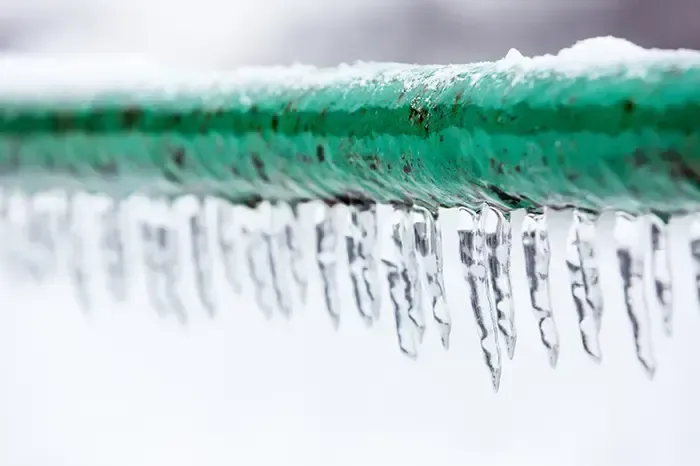
First steps for frozen pipe water damage
- 1Report the timing of water
The first conversation should describe when water appeared during the thaw and which room showed it first. That sequence helps connect the visible loss with the concealed pipe area.
- 2Use safe source isolation
An accessible shutoff can limit continued flow when the route is dry and safe. Wet electrical equipment, unstable ceilings or standing water require appropriate safety assessment before entry.
- 3Avoid improvised pipe heating
Open flames and unfamiliar heating methods can create additional hazards. Plumbing assessment should address the damaged or frozen section while occupants focus on keeping clear of the wet area.
- 4Record repairs and affected rooms
Notes about the pipe work belong with photos of ceiling marks, floor pools and wet contents. These details help the cleanup inspection follow the release beyond the source opening.
What does frozen pipe water damage cost in Farmersville, TX?
Frozen pipe cleanup in Farmersville ranges from $1,200 to $12,000+ in these planning scopes. Concealed spread, wet insulation and multiple affected assemblies influence restoration cost, while plumbing repair is specified separately.
- Contained room wetting
- Reachable source opening
- Focused material drying
- Wet cavity insulation
- Controlled finish removal
- Adjoining surface checks
- Connected hidden pathways
- Broader extraction needs
- Expanded equipment monitoring
Planning ranges depend on water category, affected square footage, material class and how quickly drying starts. The water damage cost calculator compares scope assumptions; the property inspection sets the work required.
How frozen pipe water damage proceeds
- 1
Connect thaw symptoms with the source
Inspection considers the discovery sequence and completed isolation or repair. The water route is mapped into adjoining ceilings, walls and floors so the restoration scope reflects actual spread.
- 2
Remove accumulated water and barriers
Extraction improves access, while damaged coverings or saturated insulation are assessed for removal. Openings are coordinated with plumbing work to reach wet structural materials without premature closure.
- 3
Dry exposed connected materials
Airflow and humidity control support evaporation from the affected assembly. Repeated measurements identify slow areas and show whether an additional cavity or floor section needs better drying access.
- 4
Confirm source and material milestones
The handoff records plumbing status, material readings and remaining reconstruction. New finishes follow suitable conditions, with any renewed moisture investigated before the repaired opening is covered again.
A pipe can remain quiet while frozen and release water when flow returns. Farmersville has generally mild to cool winters, but cleanup after an actual freeze related release follows the damaged property's conditions. The inspection needs the source location, the water route and the surfaces that became wet as the thaw progressed.
Watch the release rather than just the weather
A change in outdoor conditions does not correct a damaged pipe. Once water appears, safe isolation and appropriate plumbing repair become the priority. Occupants should avoid using open flames or unfamiliar heating methods on frozen plumbing, and should not enter standing water to reach a control or shutoff.
City Hall is the contact for electric, water and sewer emergencies or repairs at any hour. That contact is useful when a municipal service issue accompanies the property problem. Interior restoration still needs a direct assessment of the rooms and materials reached by water after the pipe release.
Trace water through connected cavities
- Insulation can hold water after a release and conceal saturation beside a repaired pipe.
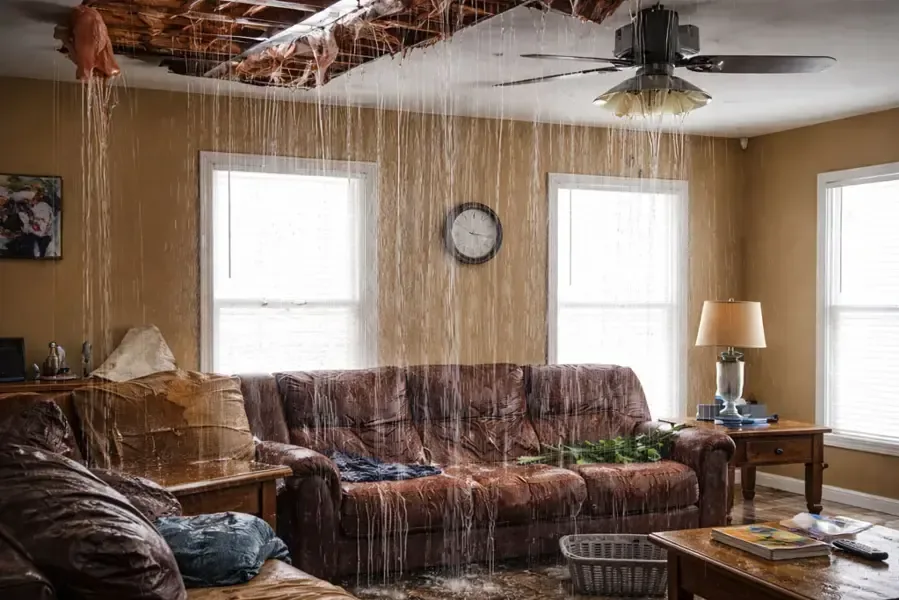
- Ceiling openings and wall penetrations can carry water into rooms below or beside the source.
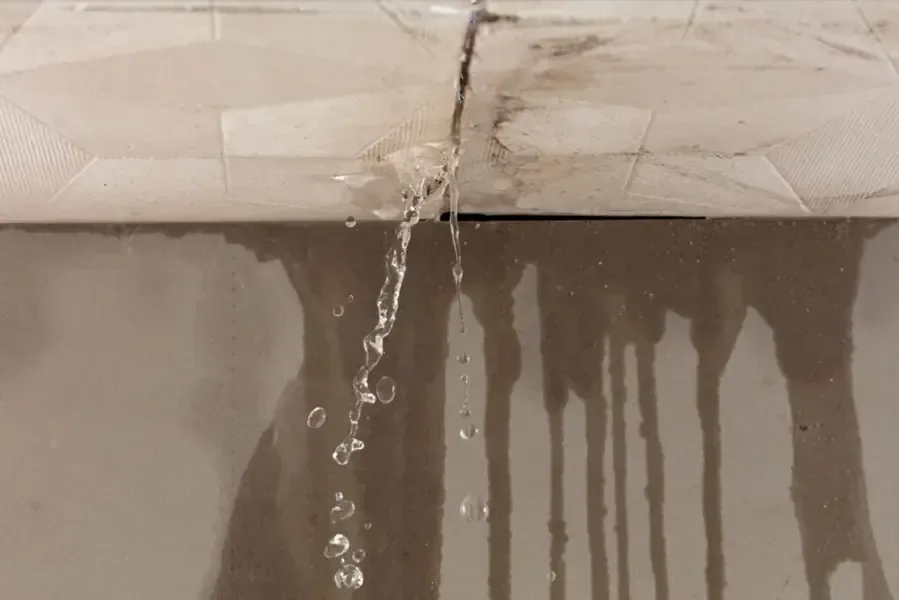
- A floor edge may stay damp even after the visible pool has been extracted from the room.
The Chaparral Trailhead begins at the Historic Onion Shed and City Park. For an affected property nearby, access instructions should identify the wet room and source area rather than relying on the outdoor landmark alone. The restoration assessment records the actual building materials and available routes to the concealed wet spaces.
Pipe repair access can reveal framing or insulation needing attention. Keeping that opening available during inspection helps coordinate the repair with drying and avoids covering moisture too early. Additional wet areas should be documented as they are discovered, particularly where the thaw release affected more than the first room noticed.
Keep repair testing connected to drying
Burst pipe cleanup explains the broader release assessment, while ceiling leak restoration addresses overhead saturation. A thaw related loss can require both when water travels through a cavity before entering the room.
- Repaired plumbing is checked by the appropriate trade before access is closed or finishes replaced.
- Drying equipment is arranged around exposed wet materials with room humidity managed alongside airflow.
- Measurements are repeated at affected boundaries to establish progress beyond the visible repair opening.
The final cleanup record should show the source repair status and remaining material conditions separately. A warm room or a restored water supply does not finish the dry out. Repairs to drywall, insulation or flooring follow the documented condition of the assembly, with any newly appearing moisture addressed before closure.
Farmersville frozen pipe water damage response
Farmersville thaw damage assessments include properties near the Chaparral Trailhead, Historic Onion Shed and City Park, with wet room access coordinated alongside source repair arrangements.
The same service nearby: frozen pipe water damage in Anna, Princeton, Van Alstyne.
Water damage restoration in Farmersville · every town coveredRelated water damage services in Farmersville
Frozen Pipe Water Damage questions
1Why can water appear after temperatures improve?
Frozen sections can hold back flow until thawing allows water through a damaged area. A later release still requires source isolation and inspection of the materials reached inside the property.
2Should a frozen pipe be heated with a flame?
No. Open flame use creates additional hazards around plumbing and nearby building materials. The source needs appropriate plumbing attention, especially when access involves concealed spaces or electrical exposure.
3Does a restored water supply finish the repair?
Restored flow and dry building materials are separate conditions. The pipe must be corrected, and the affected ceilings, walls or floors still need assessment for absorbed water after the release.
4Why leave the repair opening accessible?
The opening may provide the route needed to inspect and dry wet framing or insulation. Closing it too early can conceal remaining moisture or interfere with checking the source repair.
5Can more than one room be affected?
Yes. Water can travel through a ceiling cavity or along flooring into connected spaces. Inspection follows that path so the cleanup boundary includes wet materials beyond the room where water first appeared.
6What should be documented during the thaw?
Discovery timing, affected rooms and completed source work help explain the sequence. Safe photographs preserve the visible damage, while restoration measurements record hidden wetting and the later progress of material drying.
Dry the spaces reached by the release
A coordinated assessment keeps pipe repair access connected with wet insulation, framing and flooring that still need drying.