Storm Flood Cleanup in Farmersville
Outside water can carry soil and debris through a doorway before spreading across interior finishes. Cleanup begins with safe entry and contact assessment, then separates recoverable materials from saturated items requiring removal.
(888) 527-9134Report outside water entry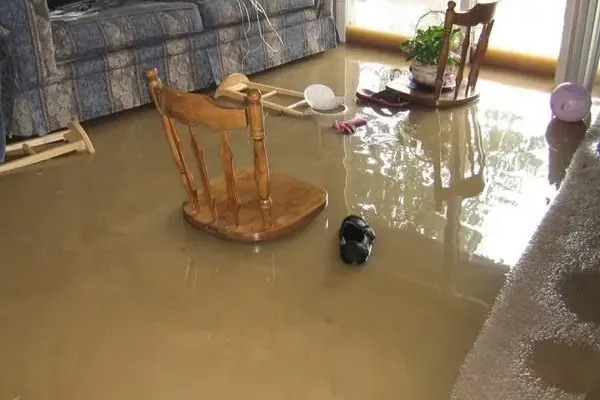
First steps for storm flood cleanup
- 1Wait for safe entry
Occupants should stay outside water affected rooms when electrical or structural conditions are uncertain. Property access needs a safety assessment before belongings or equipment are carried inside.
- 2Keep flood contact separate
Shoes and belongings exposed to dirty water should not move through clean occupied areas casually. A controlled route reduces the spread of soil and contamination beyond the footprint.
- 3Capture the entry boundary
Photographs from safe locations can show where water crossed the threshold and what it contacted. Contents records help preserve details before removal changes the room.
- 4Explain ongoing outside entry
The cleanup conversation should identify whether water is still arriving and whether access remains blocked. Continuing entry affects extraction planning and the protection of cleaned materials.
What does storm flood cleanup cost in Farmersville, TX?
Storm flood cleanup in Farmersville can range from $2,500 to $18,000+ in the scopes below. Outside water contact, damaged porous materials and cleaning access influence the total before rebuilding work is considered.
- Contained flood footprint
- Accessible debris removal
- Focused surface cleaning
- Connected contaminated areas
- Additional finish removal
- Broader contents handling
- Widespread porous damage
- Complex cleaning access
- Expanded drying scope
Planning ranges depend on water category, affected square footage, material class and how quickly drying starts. The water damage cost calculator compares scope assumptions; the property inspection sets the work required.
How storm flood cleanup proceeds
- 1
Assess source and contacted surfaces
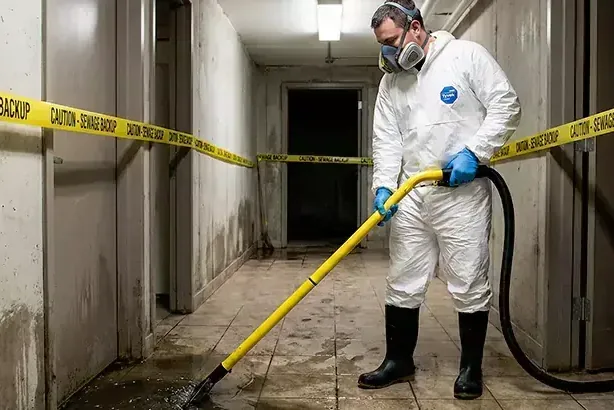
The inspection maps entry, depth indicators and affected contents. Contamination and safety conditions establish the precautions required before water removal or material handling begins inside.
- 2
Clear water and damaged finishes
Removal addresses accumulated water, debris and porous materials unsuitable for recovery. Documented access exposes hidden pockets along floor edges, wall bottoms and connected interior spaces.
- 3
Clean recoverable building materials
Suitable surfaces receive appropriate cleaning after gross soil is removed. Work routes and waste handling remain controlled so treated areas are protected from renewed contamination.
- 4
Dry and document remaining assemblies
Moisture readings direct equipment placement in the cleaned structure. The final handoff identifies completed work and remaining repairs, with records supporting the decisions about discarded materials.
A flood footprint includes more than the room with the deepest water. Wet debris at a threshold, splashes on a wall and damp stored boxes all help establish contact. Farmersville storm cleanup uses that footprint to plan controlled access, wastewater removal and cleaning before routine drying equipment is set in place.
Use the entry route to define the loss
The northern portion of Lavon Lake reaches the western city limits. U.S. Route 380 crosses the south side, and Texas State Highway 78 passes through the west side. Within an affected building, the inspection follows the actual point of entry, including doorways or other openings and the connected rooms reached by water.
A description of which entrance admitted water helps the assessment start in the right place. The surface condition and visible debris add useful detail. Photographs from dry ground can document the initial boundary, but occupants should avoid wading inside to obtain a closer picture or recover a replaceable item.
- Flood contact is assessed before porous furnishings are moved into clean storage or occupied rooms.
- Electrical systems and unstable finishes need appropriate safety attention before indoor equipment operation begins.
- Entry and disposal routes are arranged to keep contaminated traffic separate from unaffected spaces.
Sort the materials by condition and contact
Some hard surfaces can receive appropriate cleaning after water and soil are removed. Saturated absorbent finishes may need disposal when contamination cannot be adequately addressed. These decisions belong in the written scope, along with an inventory that distinguishes personal contents from building materials removed for access.
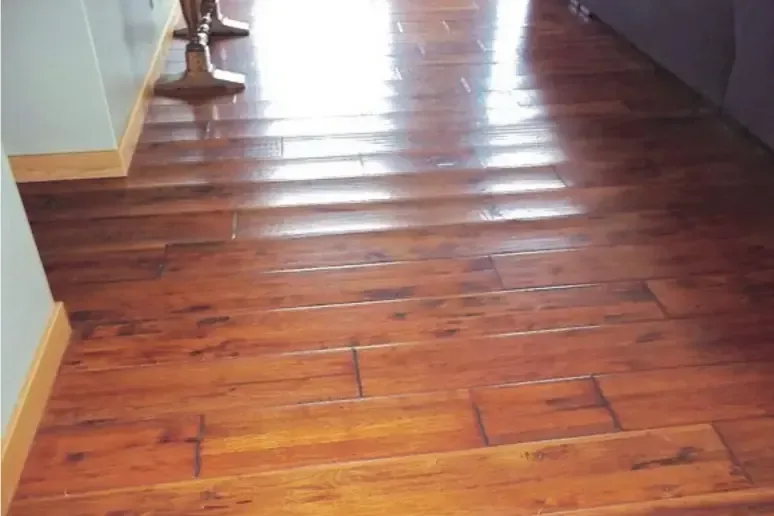
A floor covering can conceal dirty water below it even after its upper surface looks cleaner. Wall bottoms and cabinet voids can hold sediment beyond the visible room edge. Selective access allows the cleanup to address those hidden pockets instead of relying on odor reduction or a quick surface wipe.
- Loose debris is collected before cleaning work spreads it across a larger floor area.
- Recoverable belongings are handled according to material and exposure, with damaged items documented separately.
- Cleaning reaches exposed structural surfaces before equipment accelerates evaporation from the remaining wet assembly.
Dry the cleaned structure with records
Water extraction handles accumulated pools, while structural drying addresses absorbed moisture after necessary cleaning. The timing matters: blowing air across untreated contaminated material can distribute it beyond the original loss.
Room humidity and material measurements show whether the dry out is progressing. Areas behind trim or beneath removed coverings may need a different approach from open framing. The completion record should describe cleaning, removed materials and drying results so rebuilding starts with a clear account of the remaining structure rather than the appearance of a newly cleared floor.
Farmersville storm flood cleanup response
Flood cleanup assessments cover Farmersville interiors near U.S. Route 380 and Texas State Highway 78, with the western city setting including the northern reach of Lavon Lake.
The same service nearby: storm flood cleanup in Anna, Princeton, Van Alstyne.
Water damage restoration in Farmersville · every town coveredRelated water damage services in Farmersville
Storm Flood Cleanup questions
1Is rainwater inside always treated as clean?
Water that crosses outside ground or contaminated surfaces can carry soil and other material indoors. Its route and contact history determine handling, rather than the fact that rainfall started the event.
2Can occupants begin by switching on household fans?
Airflow across untreated contaminated material can spread it into cleaner areas. Water removal and appropriate cleaning should establish the work area before a controlled drying arrangement begins operating.
3Why remove a floor covering that looks intact?
Appearance alone does not show what remains underneath. Contaminated water can collect below flooring, and removal may be necessary to clean supporting surfaces or reach materials that cannot be recovered.
4What records help document flood affected belongings?
Photographs, item descriptions and the location of each affected group help explain exposure. Documentation should be completed safely before disposal, with building material removal recorded separately from personal contents.
5Does the entry route matter after water recedes?
Yes. It helps identify hidden contact along the path into adjoining rooms. It also shows where continued entry must be addressed to protect cleaned surfaces and ongoing drying work.
6When does reconstruction become appropriate?
Rebuilding follows the required cleaning, source or entry correction and suitable material moisture conditions. The handoff should identify those milestones clearly so new finishes cover a prepared assembly.
Prepare the flooded interior for safe recovery
An assessment separates contaminated finishes from recoverable structural materials and establishes the next drying decisions for the building.