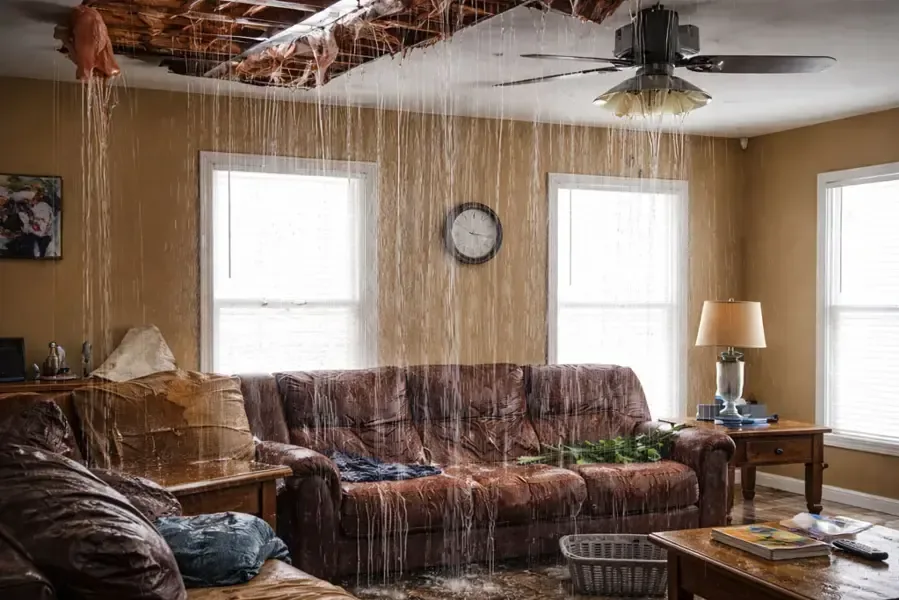
Van Alstyne Public Works handles water utility operations, and VAPD Dispatch receives water and sewer emergencies after hours. When a household pipe releases water indoors, the owner also needs a plan for the damaged rooms. Utility communication, pipe repair, and restoration work fit together best when each handoff identifies what has been observed and what still needs attention.
Key takeaways
- Report public water concerns through the city's appropriate contact route.
- Keep indoor source repair and room cleanup as clearly assigned tasks.
- Describe the first wet location and the direction water traveled.
- Preserve access to repaired pipes until surrounding materials are assessed.
- Confirm both source correction and drying condition before replacing finishes.
Start with a useful description of the release
A supply leak behind a wall, water beneath a sink, and water entering from outdoors create different inspection priorities. The first report should say where liquid was seen and whether it continues to appear, using room names and visible features.
Those observations help the plumber decide where to begin without asking the owner to identify a hidden pipe from a stain.
The household should also note whether a shutoff has been operated and whether that changed the flow. If the control cannot be reached safely, professional help is needed before entering a wet electrical area or disturbing a damaged ceiling.
The burst pipe cleanup assessment can then begin with the source status clearly recorded.
- Name the first room affected and any room reached afterward.
- Record any visible spray, drip, or pooling without approaching unsafe areas.
- Describe which control was used and the observed change in water flow.
Use the correct public contact after hours
The city maintains Public Works employees on call around the clock and identifies VAPD Dispatch for water and sewer emergencies after hours. A household report should stay concise, separating an observed indoor release from any outdoor utility condition noticed at the same time.
Written notes help the owner repeat the same account accurately as personnel become involved.
The city receives treated surface water from North Texas Municipal Water District, with Greater Texoma Utility Authority managing that delivery system. For a resident managing a wet home, the practical handoff remains the reported service concern and the response instructions received.
The incident file should preserve those instructions alongside the plumber's observations so later work begins with a shared account.
Give the plumber room to isolate and inspect
The pipe assessment may require access behind a fixture, inside a cabinet, or through a damaged finish. The owner and cleanup team should know which area the plumber needs to reach before equipment and belongings are moved there.
A workable access plan reduces unnecessary movement through wet rooms and keeps the source location available for examination.
Repair photographs are especially useful when a pipe will soon be concealed again. The record should identify the component addressed and any surrounding material left exposed for restoration.
If water is still reaching the room after the plumbing work, that change should be communicated promptly so the drying plan is not built around an unresolved release.
- Protect the dry approach to the repair opening.
- Keep wet stored goods away from the plumber's work area.
- Ask for a description of the repair and any access that must remain available.
Turn the wet trail into an extraction scope
The largest puddle may sit at a low point beyond the original pipe leak. An inspection should connect that puddle with the intervening floor, wall bases, and doorways, including spaces where liquid has already disappeared from view.
This creates a room sequence that the owner can follow when the cleanup scope extends beyond the obvious source.
The water removal work should account for accessible liquid, saturated coverings, and obstacles such as fixed cabinetry. Before large items are moved, their original positions and visible contact with water should be recorded.
Those details help explain the scope if concealed dampness is discovered beneath an item after the initial extraction.
- Mark the water route across thresholds and changes in flooring.
- Record wet contents separately from building finishes.
- Identify fixed items that limit extraction or inspection access.
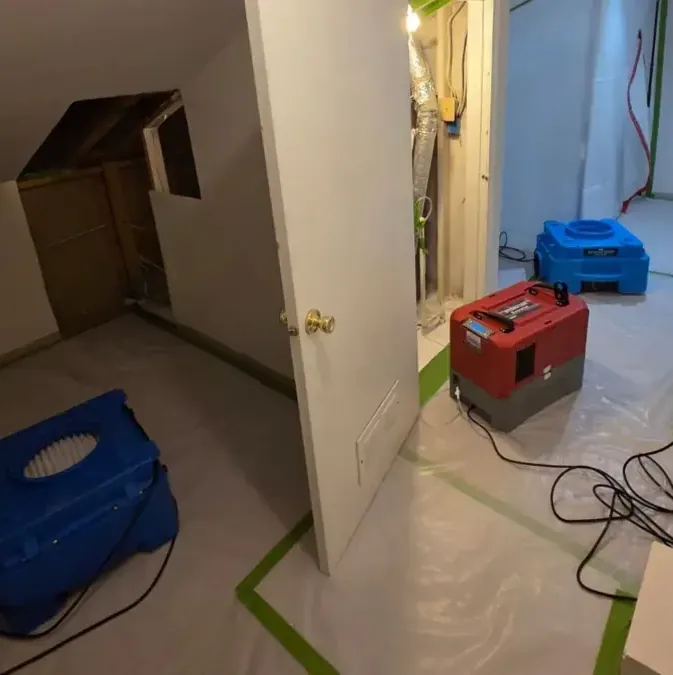
Inspect each side of the repair opening
A neat plumbing opening exposes only part of the building assembly. Water may have traveled along the wall base, behind adjoining trim, or into a lower layer before the source was found.
Measurements around the opening and in the connected room help determine whether the exposed area provides enough access for cleanup and drying.
Any additional opening should have a stated purpose, such as reaching a wet cavity or checking material beneath a floor edge. The owner should understand which finish will be affected and how that change will be documented.
This keeps removal tied to the actual loss while preserving a clear repair list for the person who will close the assembly later.
Track moisture after the repair has stopped the flow
Once the source is corrected, the remaining task is moisture held in the building. The structural drying plan should identify retained materials, monitored locations, and suitable comparison readings.
Consistent location labels make later progress reports understandable even when different personnel attend the property.
Equipment decisions should respond to those observations. A wall edge that remains damp may need a different airflow path or further investigation, while another surface may already have reached its target.
The daily account should tell the owner what changed in the rooms and why the work arrangement was adjusted, rather than merely listing machines left running.
Finish with responsibilities that are easy to follow
The final handoff should leave no ambiguity about the next trade. Plumbing correction, drying completion, trim replacement, and painting belong in separate entries with their status stated plainly.
When the source opening must remain available for another visit, that requirement should be visible in the repair notes before any finish contractor begins.
Van Alstyne lies primarily in Grayson County and extends into Collin County. Accurate property details help keep service correspondence and repair paperwork attached to the right premises.
The homeowner should retain a single folder containing utility communication, source photographs, moisture records, removed material notes, and the unfinished work list.
Questions
Who receives water utility emergency reports outside normal hours?
The city identifies VAPD Dispatch as the receiving contact after hours. The resident should provide the observed condition and keep any response instructions. Indoor repair and restoration appointments should also receive that information when it affects access or the availability of water.
Does stopping the pipe leak finish the restoration?
A repaired pipe can leave damp wall or floor layers behind. The restoration assessment checks those materials and records whether drying or removal is needed. Final finish decisions should follow that assessment rather than the appearance of the repaired connection alone.
Why might a room without a puddle be checked?
The route from a source to a low point can cross materials that absorb water without retaining an obvious pool. Measurements at connecting doorways and shared wall bases help establish whether that room belongs in the cleanup scope.
Which records should be handed to the finish contractor?
The contractor needs the list of removed finishes, the remaining access requirements, and the drying completion information for materials that will be covered. Source repair notes help clarify where fixtures or wall openings may still need attention before cosmetic work starts.