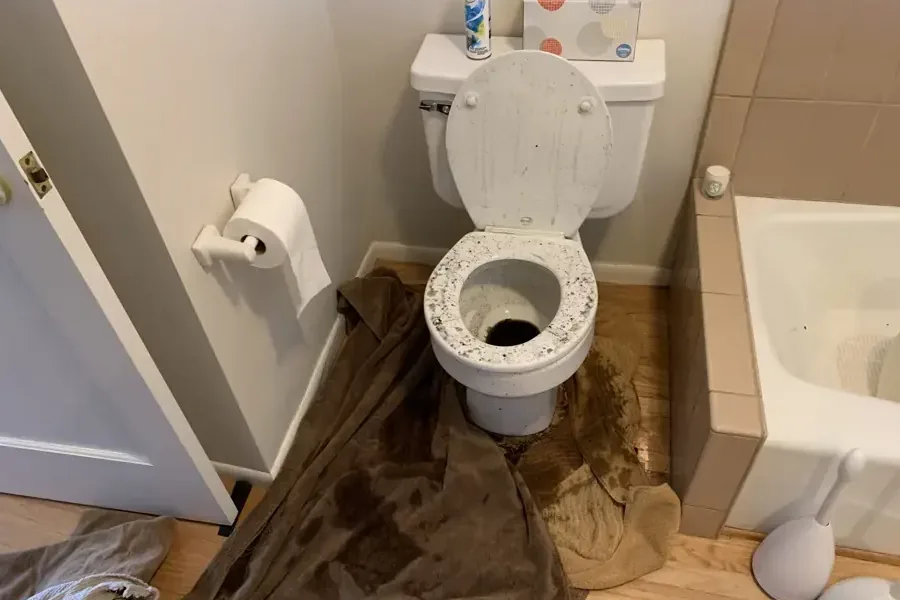
Princeton warns that wipes and similar products can clog pipes, including products labeled flushable. When a toilet overflows, the household needs to stop adding water and keep the bathroom from becoming a path for contamination. The cleanup scope should follow the actual overflow across flooring, trim, stored items, and any adjoining space it reached.
Key takeaways
- Avoid another flush when the bowl is already overflowing.
- Tell the plumber about wipes or other products recently used.
- Keep bathroom towels and wet contents out of clean living spaces.
- Inspect the toilet perimeter, vanity base, and doorway separately.
- Resolve contamination and hidden moisture before installing replacement finishes.
The product label should not decide the response
The city's warning about flushable products is practical prevention advice for the household. A packet label can encourage a habit that sends unsuitable material into the drain, so the plumber should receive an honest description of recent use.
Keeping the packaging available can help explain what entered the fixture without anyone having to handle material recovered from the blockage.
An active overflow also needs attention to what is happening in the room. The toilet overflow cleanup process should document the water source, contacted materials, and the route beyond the fixture.
That room assessment gives the owner a concrete scope while the plumbing professional determines how the obstruction will be addressed.
- Retain product information away from the contaminated work area.
- Describe the first overflow without repeatedly operating the toilet.
- Record whether other bathroom fixtures reacted during the event.
Keep the bathroom doorway under control
A small bathroom can force everyone through the same narrow opening, making the threshold an important part of the cleanup plan. Foot traffic should stop before wet shoes and towels carry residue into the hall.
Another bathroom should be used when available, with the affected room kept inaccessible to children and pets.
Water beside powered grooming appliances or outlets adds an electrical concern. Occupants should leave wet devices untouched and have unsafe access assessed by an appropriate professional.
The restoration team should be told about those devices before equipment is brought into the room, especially where the only practical approach crosses the wet floor.
- Keep the door area clear for professional inspection.
- Leave soaked bath mats in the affected area until handling is planned.
- Warn other occupants before they enter the hallway bathroom.
Examine the surfaces that contact the spill
The floor immediately beside the toilet is only part of the assessment. Water can reach vanity toe kicks, trim joints, stored paper products, and the transition to a different floor covering.
Each of those locations should be inspected according to its material and contact with the overflow, with findings recorded before removal changes the scene.
An inventory should distinguish a washable hard item from absorbent contents and built in finishes. The owner needs to know what can be protected, what requires cleaning, and what must be removed.
Grouping all bathroom belongings under a single label makes it harder to explain individual decisions or account for an item that was moved during the response.
- Include the cabinet base and accessible sides of the vanity.
- Photograph contents in their original positions when safe.
- Note whether water crossed beneath the bathroom door.
- Record the flooring change at the room boundary.
Resolve the blockage alongside liquid recovery
The plumber and cleanup team should agree on the order of access around the toilet. Source work may require space at the fixture while water removal needs a protected equipment route.
Clear coordination helps avoid pushing contaminated liquid toward an unaffected closet or setting clean tools on an exposed floor.
For a spill involving sewage, the sewage backup cleanup service addresses contamination as part of the recovery plan. Accessible wastewater is removed and contacted materials are assessed for controlled cleaning or removal.
A household fan blowing across the bathroom is not a substitute for that work and should remain off until the room has been evaluated.
Check beneath edges before replacing what looks damaged
The visible stain on a baseboard may be narrower than the damp area behind it. Measurements and limited inspection access help determine whether moisture remains at the wall base or underneath a floor transition.
The technician should explain the purpose of each proposed opening and connect it to an observed condition in the room.
Finish decisions also depend on what will remain underneath the replacement material. Covering a damp edge with fresh trim can hide an unfinished drying task.
The work record should identify exposed layers, their condition, and any further source access needed so the repair plan does not close an assembly before the responsible trades are ready.
Use measured progress for the retained materials
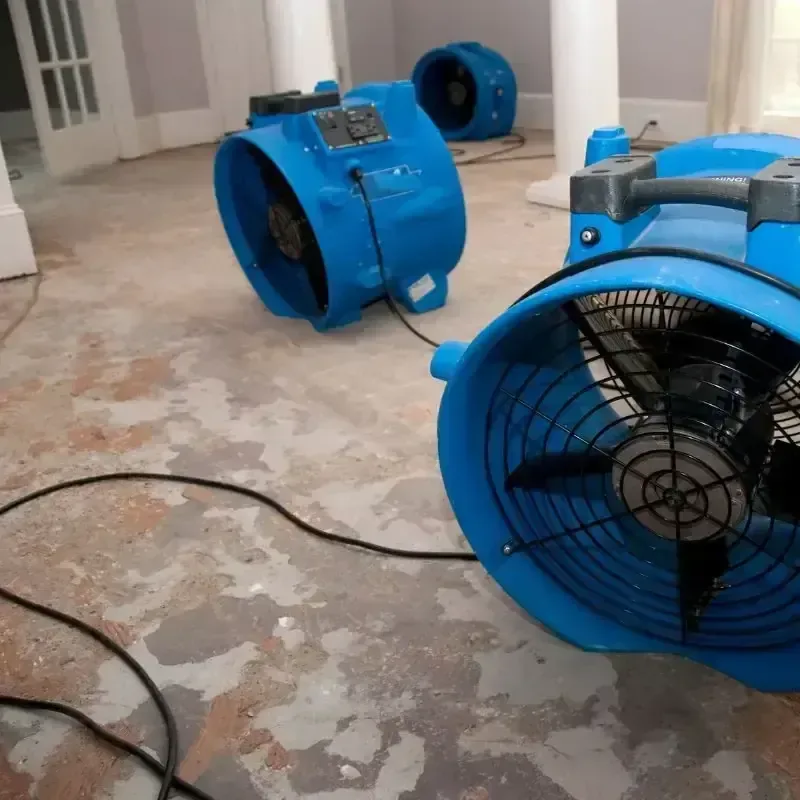
Once contamination has been addressed, the retained bathroom materials can be assessed for drying. The structural drying service should follow the vanity perimeter, floor transition, and any opened wall areas included in the scope.
Each location needs a useful label so progress can be compared with the original findings.
The owner should receive an update that describes material response, not simply how loud the equipment is or how long it has operated. Changes in access or equipment placement should be explained in relation to those readings.
When a section is ready for finish work, the handoff should make that status clear without implying the rest of the room is automatically complete.
Change disposal habits while closing the repair file
Princeton also warns that fats, oils, and grease can solidify in pipes and cause backups. The household can use the incident as a practical opportunity to separate toilet use from disposal of wipes and other unsuitable materials.
A simple waste container and a clear household agreement make that change easier to maintain after the disruption has passed.
The completed file should preserve the plumber's findings, the contacted contents list, and the cleanup and drying records. Any remaining fixture work or finish replacement should be listed explicitly.
This gives the owner a useful account for later questions and keeps a prevention conversation grounded in the actual event rather than speculation about the whole neighborhood.
Questions
Are wipes acceptable when the package says flushable?
The city advises that products with that label can still obstruct sewer pipes. Household disposal habits should follow that warning. A plumbing visit after an overflow is also an opportunity to identify the material involved and explain any corrective work needed at the fixture.
Should the toilet be flushed to see whether the water has gone down?
Occupants should avoid adding another load of water to an unresolved overflow. A plumber can assess the blockage and determine when fixture use can resume. The earlier sequence of events is more useful to report than a test that spreads the spill farther.
Why can a bath mat need different handling from tile?
Material absorbency and wastewater contact affect the cleanup decision. The team should assess the mat as a separate contents item and explain the handling plan, while the tile and its edges receive their own surface and moisture assessment.
What if the hallway carpet stayed visually dry?
The doorway still deserves inspection when overflow reached that transition. Measurements beneath an edge can reveal damp layers hidden by the floor covering. The technician can combine those findings with the recorded water route to decide whether the adjoining covering belongs in the work area.