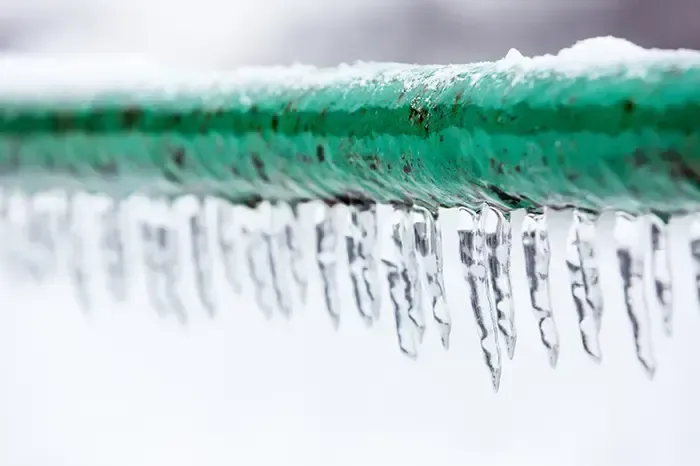
For Howe households preparing for cold weather, the Texas Department of Insurance advises leaving heat on when a house is left before a freeze. Its guidance also advises shutting off water at the shutoff valve when pipes freeze. If water later appears indoors, the next task is to connect the plumbing assessment with an inspection of the rooms and building layers it reached.
Key takeaways
- Keep household heating in the cold weather preparation plan.
- Locate the water shutoff before freezing conditions make access difficult.
- Arrange professional help when the valve or wet area is unsafe to approach.
- Watch for newly visible water during the plumbing assessment and thaw.
- Record the repaired source and the drying condition as separate completion items.
Preparation starts before the house is left unattended
The state advice to leave heat on is especially relevant when occupants plan to be away. The household should establish who can check the property and who can arrange help if a water problem is noticed.
That arrangement should include access information and a clear description of where the shutoff is located, without requiring an unfamiliar visitor to search through a wet room.
A preparation note can also identify areas that should remain accessible for a plumber. Crowded utility spaces and blocked cabinets make a later inspection harder when the household is already dealing with disrupted water service.
The aim is a usable response plan with an available decision maker, rather than an assumption that someone will notice the problem promptly.
- Keep the shutoff location in the household's property notes.
- Identify a contact who can authorize a plumbing visit during an absence.
- Preserve access to utility spaces and relevant cabinets.
Treat a suspected freeze as a source control problem
The Texas Department of Insurance advises shutting off water at the valve when pipes freeze. The person approaching that control needs a safe route and a clear understanding of the equipment involved.
If water is near electricity or the control is inaccessible, the household should stay clear and arrange appropriate professional assistance.
A plumber should receive the sequence of symptoms, including when flow changed and whether any leak became visible. That account helps the inspection focus on the affected plumbing without asking occupants to open walls or apply heat to concealed piping.
The frozen pipe damage assessment can then account for any water released into the building while source correction is organized.
- Describe the affected fixtures and changes in flow.
- Record any visible water after the shutoff was operated.
- Leave unsafe controls and concealed pipe access to qualified personnel.
Observe the thaw without disturbing damaged finishes
As the plumbing is assessed, a stain, drip, or wet floor may reveal where water has escaped. Those changes should be reported with the room and position identified.
Occupants should avoid standing below a sagging ceiling or touching wet electrical fittings to get a closer photograph.
The inspection record should preserve the order in which damp areas appeared. A wall edge noticed first and a ceiling stain discovered later may lead to different parts of the same assembly.
That sequence gives the repair and restoration teams a shared starting point and helps explain why attention extends beyond the fixture that originally lost flow.
Inspect connected rooms as a route rather than a list
Water released inside a cavity can emerge at another joint along the same assembly, so the visible mark should be connected with surrounding surfaces during inspection. The team should check relevant wall bases, floor transitions, and lower areas where the observed route leads.
Each location belongs in a labeled diagram that links the source opening with the affected finishes.
The water extraction assessment should identify accessible liquid and any wet coverings or fixed items that limit inspection. A room without standing water may still need measurements where it shares a wall or doorway with the release.
Those findings help set a sensible work boundary before equipment is arranged and contents are shifted.
- Trace damp edges through adjoining doorways.
- Include lower rooms when the observed release came from above.
- Record obstacles that hide a floor or wall connection.
- Photograph the source opening before it is covered.
Keep plumbing access useful for the drying work
The opening needed to repair a pipe may also expose wet insulation, framing, or the back of a finish. The trades should discuss what remains visible and whether the opening provides enough access to assess those materials.
A repaired connection should not disappear behind a new surface before the surrounding damage has been considered.
Howe has a municipal permit department for questions about repair related requirements. The person arranging reconstruction should establish what applies to the proposed work and keep any necessary access available.
The restoration notes should identify the exposed layers and their condition so the repair conversation starts with the actual scope rather than a vague description of a winter leak.
Let the retained materials determine the drying plan
A wet ceiling, wall cavity, and floor edge can require different access and equipment arrangements. The structural drying service should specify the locations being monitored and how each relates to the loss.
Progress becomes understandable when the same points are checked again and compared with appropriate dry references.
A technician's update should explain any slow responding section and the proposed adjustment. Additional access may be needed where a layer remains concealed, while another part of the room may already be ready for repairs.
The owner should receive that distinction before making arrangements to remove equipment or reinstall trim throughout the whole space.
Close the incident with a stronger absence plan
After repairs, the household can improve the notes that would help during another period away. The shutoff location, repair contact, access arrangement, and heating plan should be easy for the responsible person to find.
Any changes made during the incident, such as moved storage or altered access to a utility space, should be reflected in that record.
Howe is in southern Grayson County at the junction of U.S. Highway 75, State Highway 5, and Farm Road 902. The property file should use the correct town details when appointments and repair documents are arranged.
The final folder should contain the source repair description, drying observations, photographs, and the finishes still awaiting completion.
Questions
What does the state advice say about an empty home before a freeze?
The Texas Department of Insurance advises leaving the heat on when the house is left before freezing weather. A useful household plan also names the person who can check conditions and arrange assistance, with practical access information available before the occupants depart.
Should an occupant enter a wet utility room to reach the valve?
A valve should only be approached through safe access. Water around electrical equipment or an unstable ceiling requires professional assessment. The report should describe that obstacle so the responding personnel know why source control has not yet been completed.
Why are ceiling changes recorded during the plumbing visit?
A developing drip or stain can identify another affected part of the building. The room name and the order of appearance help connect the visible damage with the repair opening and give the restoration team specific places to inspect.
Is the house ready for painting when the water works again?
Restored fixture operation addresses the supply system. Painting should follow a separate assessment of the affected finishes and the materials behind them, including any inspection access still needed. The closing notes should identify which surfaces are ready and which tasks remain.