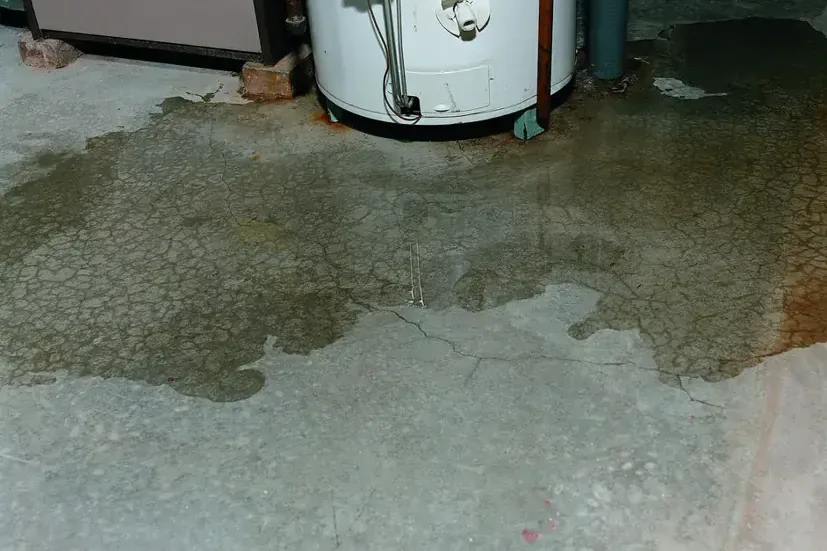
Anna explains that calcium buildup can reduce water heater efficiency and hot water pressure. A puddle beside the appliance adds a different concern: water may already be traveling into flooring, a closet wall, or the next room. The useful response combines a qualified appliance assessment with a careful inspection of everything the escaped water reached.
Key takeaways
- Keep people away from hot water and wet appliance controls.
- Have the heater and its connections assessed before restarting it.
- Check the closet perimeter and adjoining room edges, including concealed layers.
- Separate appliance replacement costs from building cleanup and finish repairs.
- Close the drying work with material readings rather than a dry surface photograph.
A pressure complaint and a puddle need separate attention
The municipal water supply combines treated surface water and well water. The city's calcium advice gives residents a reason to discuss declining hot water performance with a plumber, especially when a change has been noticeable at several fixtures.
The plumber should receive the history of that change along with the location and timing of any visible leakage.
For the damaged room, the immediate question is where liquid escaped and whether it is still arriving. A wet connection above the appliance, water beside the tank, and a damp wall behind it give the inspection different starting points.
The water heater cleanup service follows the resulting floor and wall damage while the appliance problem receives its own repair plan.
- Record whether hot water performance changed before the wet floor appeared.
- Photograph visible dripping from a safe position outside the wet area.
- Keep appliance service notes with the room damage photographs.
Protect access around the appliance
A utility closet can become difficult to approach when water reaches electrical components or a hot discharge is present. Occupants should stay clear of wet controls, plugs, and surrounding equipment.
A qualified person should handle appliance shutdown when access is unsafe or when the correct isolation procedure is unclear.
Stored cartons, cleaning supplies, and household belongings can hide the edge of a puddle. The assessment should account for these items before anyone steps into the closet or begins dragging them through a hallway.
A dry approach gives the plumber and cleanup team a place to discuss the source, the condition of the room, and any access needed around the heater.
- Keep children and pets outside the utility area.
- Leave wet powered equipment untouched until its safety is assessed.
- Identify a dry doorway for the initial inspection conversation.
Follow water past the closet opening
Liquid often becomes visible at a doorway after traveling along a less visible floor edge. The inspector should compare the tank area with wall bases, trim joints, and adjoining flooring, recording which surfaces are wet and which appear unaffected.
A closet photograph alone leaves out the hallway or neighboring room that may need attention.
The record becomes more useful when it names materials as well as rooms. Painted wallboard, a wood threshold, a cabinet side, and a floor covering can respond differently to the same release.
Measurements around each transition help define a practical work boundary and prevent the cleanup scope from ending wherever the most obvious puddle happened to stop.
- Include the back of the closet and accessible perimeter edges.
- Inspect the adjoining side of a damp shared wall.
- Label observations by room, material, and position.
Clear accessible liquid before planning the dryout
Standing water should be recovered with equipment suited to the affected surfaces once entry and operation are safe. This reduces the liquid available to spread farther and exposes flooring conditions that were difficult to see beneath the puddle.
The water extraction process should include an explanation of areas that remain inaccessible beneath fixtures or stored contents.
Removing the tank may create a chance to inspect its footprint, but appliance handling belongs in the coordinated repair plan. The cleanup team needs to know when the plumber expects that space to become accessible and whether a temporary obstruction remains.
Photographs taken before and after appliance movement connect hidden findings with the original room condition.
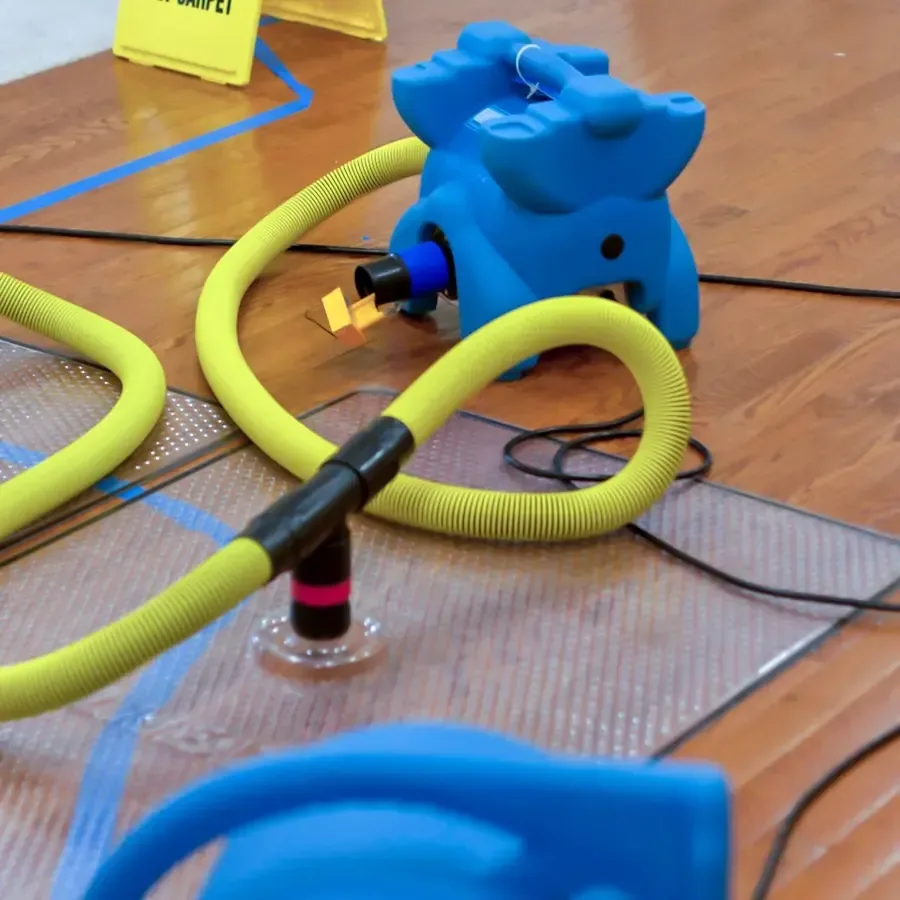
Choose access according to the wet assembly
A finish that feels dry on top may still cover a damp layer. Base trim, flooring joints, and the lower edge of a closet wall deserve attention where measurements indicate continued moisture.
Before opening an assembly, the technician should explain the intended access, what it will expose, and how retained surfaces will be protected.
Drying decisions should distinguish removable contents from the building itself. A soaked storage box, wet trim, and a damp floor support are separate items in the work record, even when they occupy the same small closet.
That distinction helps the owner understand which items can be moved, which require cleaning or removal, and which remain in place for monitored drying.
Monitor the room after the appliance work
Replacing a leaking heater restores the appliance side of the project, while damp building materials still need attention. The structural drying work should track the retained closet walls, floor edges, and adjoining room surfaces through repeated measurements.
Locations should be consistent enough for the owner to compare progress across visits.
Equipment placement may change after access improves or a particular material responds more slowly than nearby surfaces. A useful update identifies the affected layer and the next action, such as adjusting airflow or inspecting a concealed edge.
Simply leaving equipment beside the new heater does not communicate whether the hallway, wall cavity, or closet footprint has reached its drying target.
Keep a clear handoff for the finished room
Before trim or flooring is replaced, the closing file should show the repaired source, the materials retained, and the drying condition of the exposed areas. Separate entries for appliance service, water removal, and finish work make the remaining tasks easier to schedule.
The owner should be able to identify who will reinstall each item without piecing together several vague invoices.
Anna Water Damage Restoration can be contacted about the building cleanup while appliance repair is arranged with the appropriate trade. A concise first description names the affected closet or room, whether water is still appearing, and whether an appliance technician has already inspected it.
This lets the discussion focus on the actual work and any immediate access limitations.
Questions
Does reduced hot water pressure mean the tank has leaked?
A plumber should assess the performance complaint and inspect for leakage directly. The homeowner can help by describing which fixtures changed and when water first appeared around the appliance. Cleanup decisions then follow the wet materials found during the room inspection.
Can a new heater be installed before the closet finishes are replaced?
The appliance installer and restoration technician should coordinate the sequence around access, material condition, and safe operation. The work plan should identify any area that would become difficult to inspect after installation, particularly the floor beneath the tank or a damp rear wall.
Why is the adjoining hallway included in the assessment?
The threshold can connect several layers of flooring and trim. Readings beyond that transition help determine whether the loss stayed inside the closet or traveled into the next space, even when the visible water has already been removed.
What should a drying completion record contain?
The file should identify the checked materials, measurement locations, final observations, and unfinished repairs. It should also show which appliance work was completed separately so that a new tank receipt is not the only document describing the condition of the room.