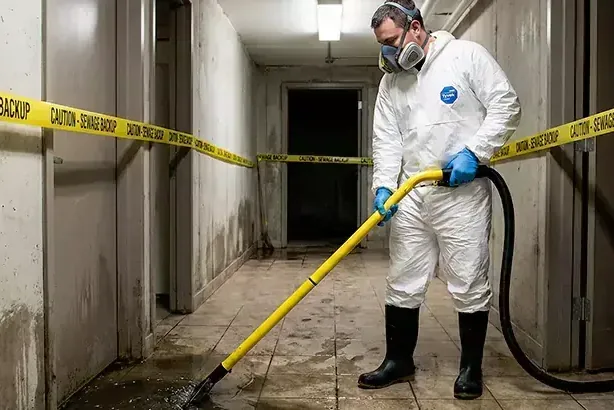
Anna directs sewer backup reporting through SeeClickFix Anna. Inside an affected home, the immediate concern is keeping people away from wastewater and preventing its spread into clean rooms. A useful report describes the fixture involved and what is happening, while the cleanup assessment identifies the surfaces and belongings that actually contacted the backup.
Key takeaways
- Restrict access to rooms reached by wastewater.
- Stop using affected fixtures while the obstruction is being assessed.
- Submit a clear municipal report and retain the report details.
- Keep sewage exposed belongings separate from unaffected household contents.
- Arrange cleaning and material decisions before drying retained assemblies.
Make the municipal report specific
SeeClickFix provides the reporting route identified by the city for sewer backups. The submission should describe visible conditions, such as wastewater rising from a fixture, an overflow continuing during plumbing use, or affected rooms already isolated.
Observations stated in ordinary language give the responding personnel a more useful starting point than a guess about the buried obstruction.
The household should retain the report confirmation and any later instructions with the incident notes. If the situation changes, the record should show what changed and when it was noticed, especially renewed overflow or a newly affected fixture.
Municipal reporting can proceed alongside the indoor sewage cleanup assessment, which focuses on the contaminated space and its contents.
The household can keep a short event timeline beside the confirmation so later conversations preserve the original fixture behavior and the changes observed afterward.
- Name the fixture where wastewater first appeared.
- Describe whether the level is rising, stationary, or receding.
- Identify additional rooms affected after the initial discovery.
- Save the report reference and any response received.
Keep the wet area from becoming a traffic route
A bathroom or laundry space can connect directly to a hallway used by the whole household. Once sewage reaches that doorway, shoes, towels, and moved belongings can carry contamination farther.
Occupants should use another route and leave the affected room closed off while professional access and cleanup arrangements are made.
The boundary should remain easy for everyone in the household to understand. Children and pets need to stay outside it, and visitors should not enter simply to look at the damage.
If wastewater has reached powered equipment or the electrical system, the room also needs a qualified safety assessment before cleanup machinery is connected or appliances are handled.
- Keep used towels and cleanup tools inside the affected boundary.
- Avoid carrying wet storage bins through living areas.
- Choose a clean meeting point for the inspecting team.
Describe fixture behavior without testing the blockage
Repeated flushing can add water to a system that is already backing up. The plumber needs a description of what happened during normal use, not a fresh demonstration that enlarges the spill.
Notes about gurgling, the first overflow, or another fixture changing level can be collected without operating the affected plumbing again.
The inspection can then determine what source work is needed and whether wastewater remains trapped in the room. Repair access, fixture removal, and cleanup access should be coordinated so contaminated surfaces are handled deliberately.
The homeowner should receive a clear explanation of the next task before furniture or fixtures are moved across the wet boundary.
Sort belongings by contact and cleanability
A clean shelf above the overflow and an absorbent item on the floor need different handling. The inventory should record actual contact, material type, and condition, using photographs where possible before disposal or movement.
This helps separate items that can be protected in place from those requiring specialized cleaning or removal.
Soft floor coverings, exposed storage boxes, and accessible wall edges deserve individual assessment. Covering everything with a general description such as bathroom contents makes later questions harder to answer.
The cleanup record should explain why an item was retained or removed and identify any owner decision still needed before work continues.
- Photograph grouped contents before separating individual items.
- Label items that were moved to a controlled holding area.
- Record removed materials by room and type rather than by bag count.
Recover wastewater with a controlled work route
Liquid removal must account for contamination as well as the amount of water present. Equipment, hoses, and waste handling should be arranged so the team can work without spreading residue into the remaining home.
The water extraction service should explain how recovery fits within the broader sewage cleaning plan.
After accessible wastewater is removed, cleaning can reach surfaces that were covered by the spill. Porous materials requiring removal should be handled as part of that controlled sequence, with retained hard surfaces assessed for cleaning.
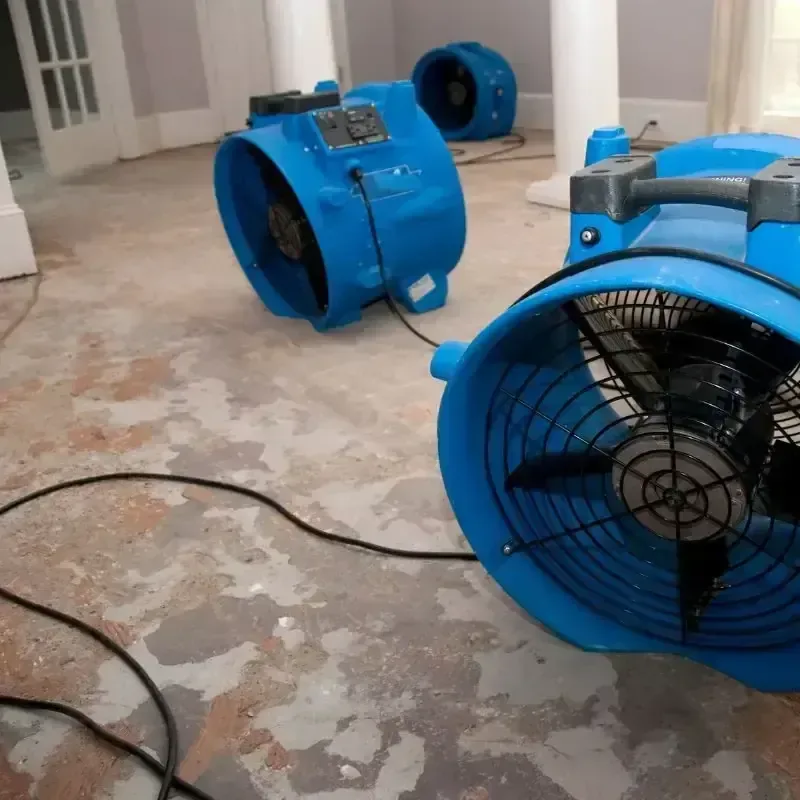
Household fans should not be used to blow air across a sewage affected room before the contamination has been addressed.
Dry the materials selected to remain
The drying plan begins with a defined set of retained materials and access points. A cleaned tile surface may sit beside an opened wall base or an exposed floor layer, and those locations need their own measurements.
The structural drying assessment follows the remaining moisture after the contaminated material work has been completed.
Progress notes should distinguish cleaning completion from drying completion. A room can be cleared of wastewater while part of an assembly still holds moisture, so the closing decision needs more than an empty floor photograph.
The owner should receive an explanation of the monitored locations, any additional opening required, and the condition expected before reconstruction.
Connect the repair report with the cleanup handoff
The source repair record should describe what the plumber found and what was corrected. The restoration record should describe the indoor contact area, removed contents and building materials, cleaning work, and final drying observations.
Keeping these records together gives the owner a coherent account without blending municipal reporting, plumbing correction, and interior restoration into a single task.
For Anna households, retaining the SeeClickFix correspondence also preserves the public reporting part of the event. Any follow up should refer to the same observed fixture behavior and later changes documented at the home.
Finish replacement can then be scheduled around completed source work and the condition of the materials that will receive new surfaces.
Questions
Should a homeowner wait for a report response before isolating the room?
Access restrictions can begin as soon as wastewater is discovered. The household should avoid the affected fixtures and keep people outside the spill while reporting and professional arrangements proceed. A submission confirmation is useful documentation, but it does not change the condition of the indoor surfaces.
What information helps the plumber on the first visit?
The most useful account names the first fixture involved, the activity taking place before the backup, and any other fixture that reacted. Photographs of the room before cleanup add context without requiring another flush or drain test by the occupant.
Can belongings be placed in the garage for sorting?
Movement should follow the cleanup team's handling plan so contaminated items do not create another affected area. An agreed holding location, protected route, and clear item labels help preserve both household safety and the contents record.
When can new wall finishes be installed?
The responsible trades should confirm that the source work is complete and that retained building materials have met the drying plan. The repair scope should also identify any access still required for plumbing, so a fresh finish does not cover work awaiting attention.